
Why Fall Is When Your Landscape Project Actually Starts
Most homeowners think landscape season starts in spring. You start looking at photos in March, call a few firms in April, and hope something gets built by summer.
By the time you make that call, you're already behind every other homeowner who had the same idea at the same time.
The firms worth hiring are booking their spring construction calendars right now, in fall. If you want a functioning outdoor space by next summer, the conversation needs to start before the leaves are even done falling, not after the first sunny weekend in April.
This isn't a sales pitch for urgency. It's how the actual sequence of design, permitting, and construction works, and it's worth understanding before you're the homeowner calling in April wondering why nobody has availability until fall.
The Sequence Nobody Explains Up Front
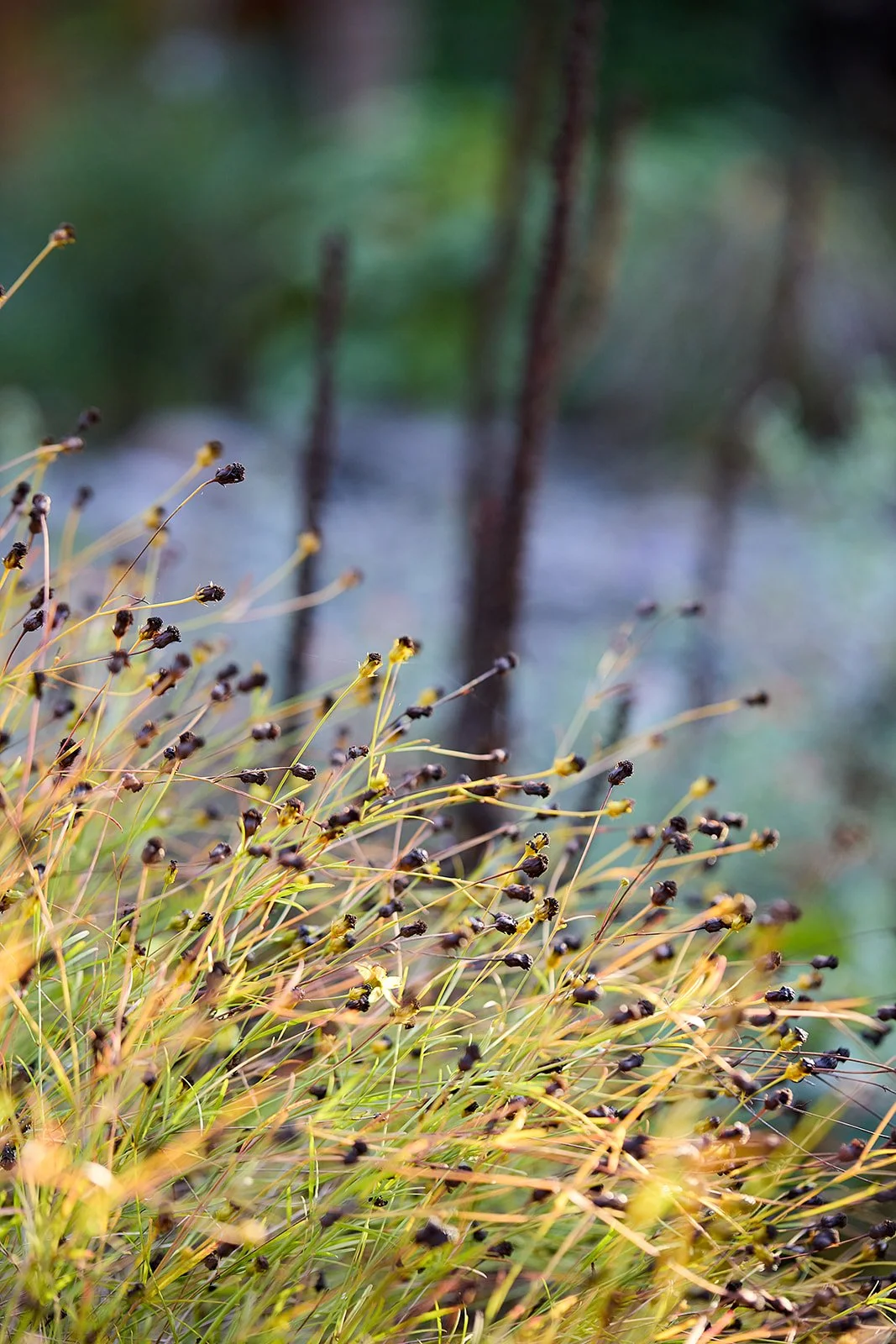
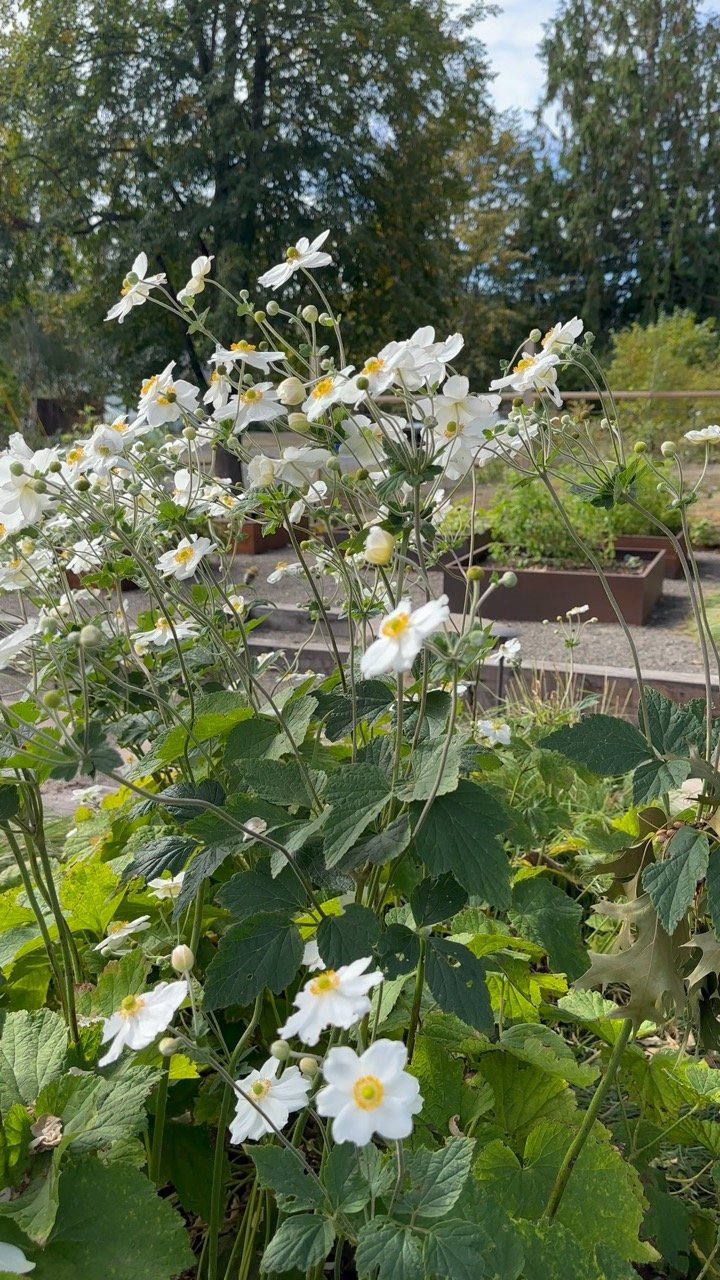
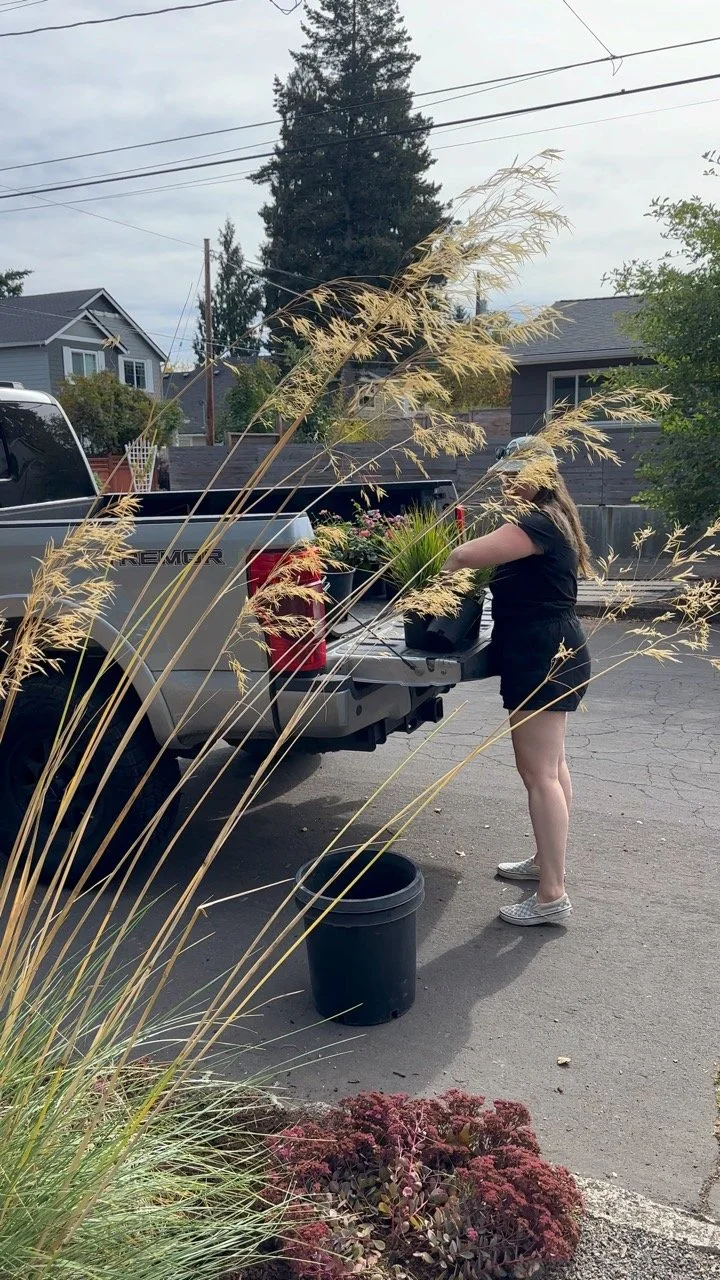
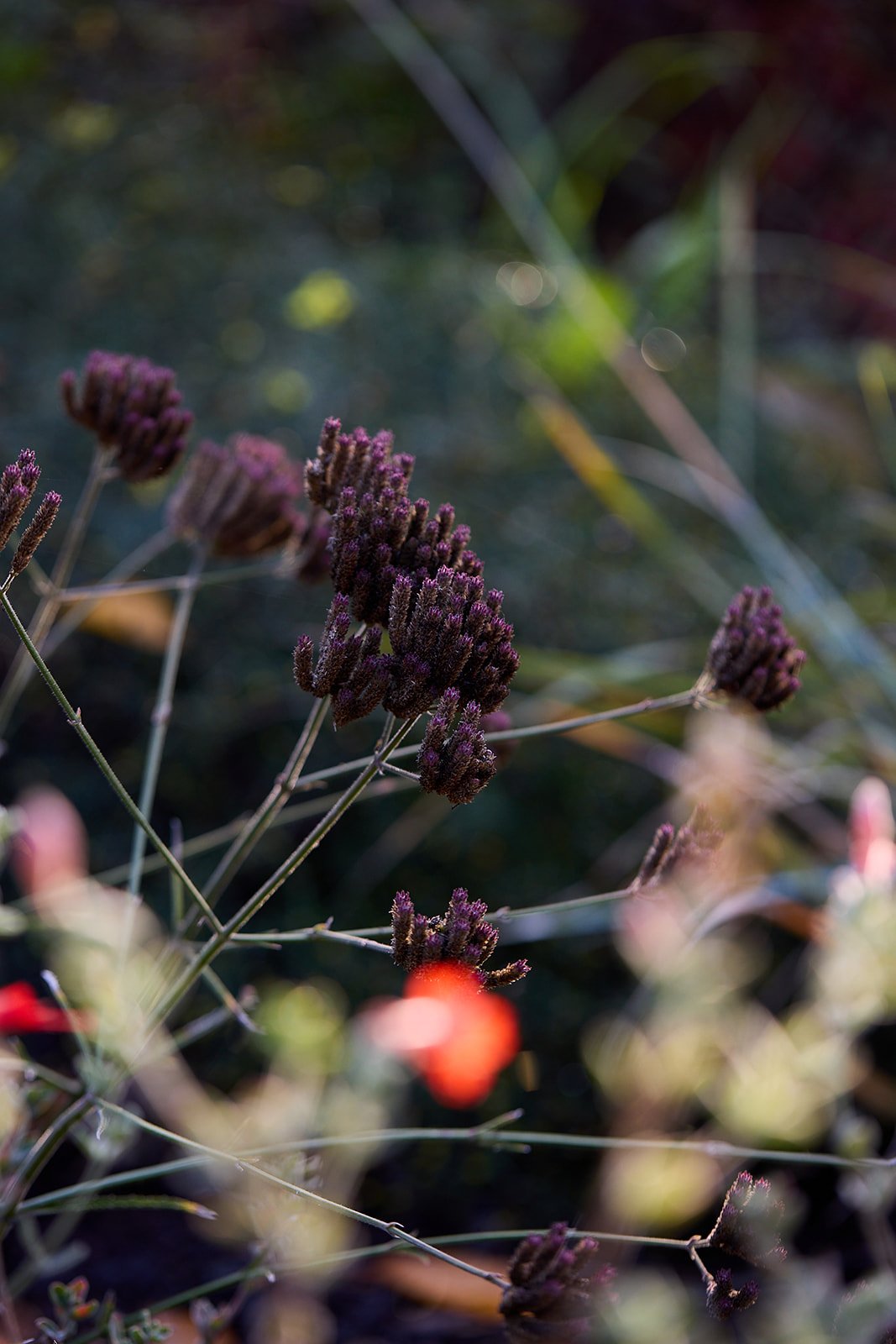
Ornamental grasses beginning to sparkle yellow
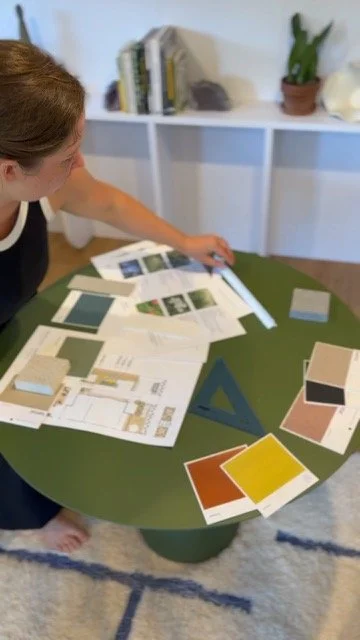
A real design-build project, one with actual construction drawings, grading plans, and specifications a contractor can build from, isn't a single step. It's a sequence, and each phase has its own timeline:
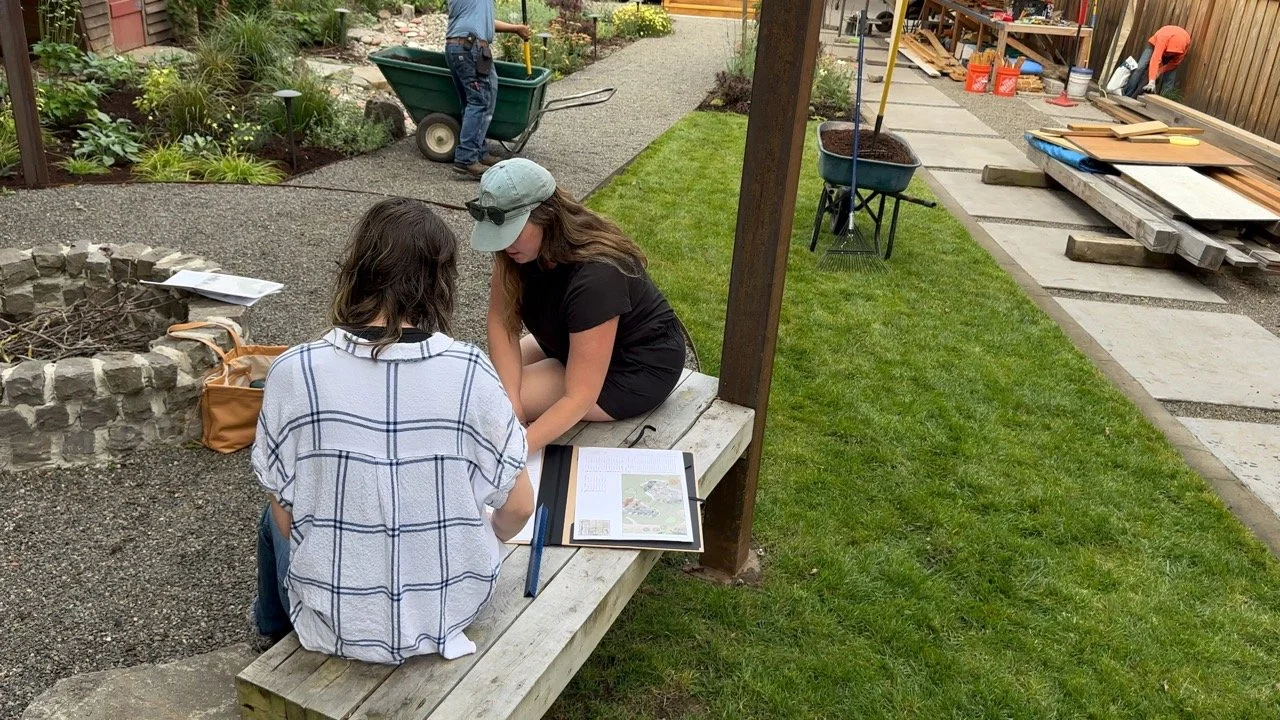
Site consultation and assessment. We walk the property, read the site's drainage patterns, sun exposure, soil conditions, slopes, and existing vegetation. This is also the phase where winter timing gives us an advantage we don't get any other time of year, more on that below.
Design development. Typically three to six weeks depending on complexity. This is where water-first design actually happens: calculating infiltration, mapping how water moves across the site, and building the plant and hardscape plan around that hydrology rather than around it.
Engineering and permitting. Anywhere from two to eight weeks depending on your jurisdiction and whether the project involves structural elements like retaining walls, grading changes, or drainage work that triggers permit review.
Material procurement. Specialty stone, permeable pavers, and certain plant material need to be ordered and, in some cases, reserved from nurseries well ahead of installation.
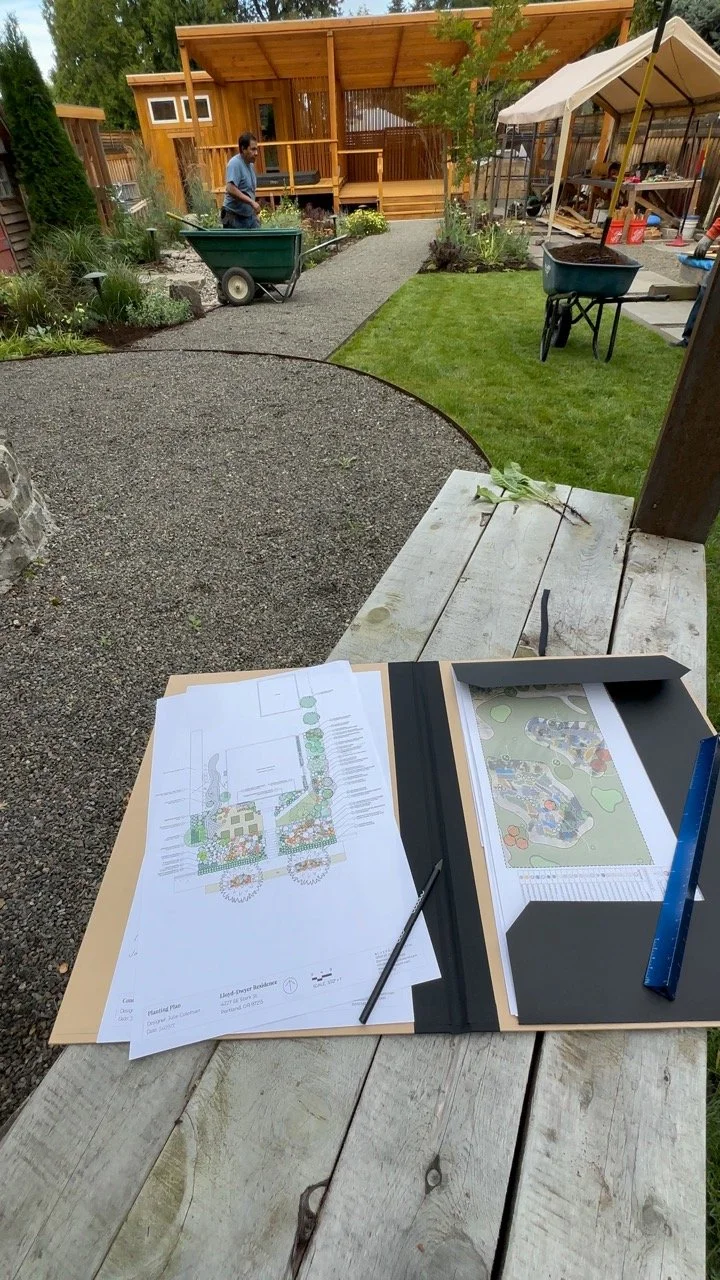
Construction. Once permits are approved and materials are on site, build timelines run anywhere from a few weeks for a smaller project to several months for a full property transformation.
Add it up, and a real design-build project realistically takes three to six months from first conversation to substantial completion, sometimes longer for complex sites with grading, drainage, or structural work involved. If you want your yard functional by next summer, the math points to starting the design conversation now.
Why Fall Is Actually the Better Starting Point, Not Just the Practical One
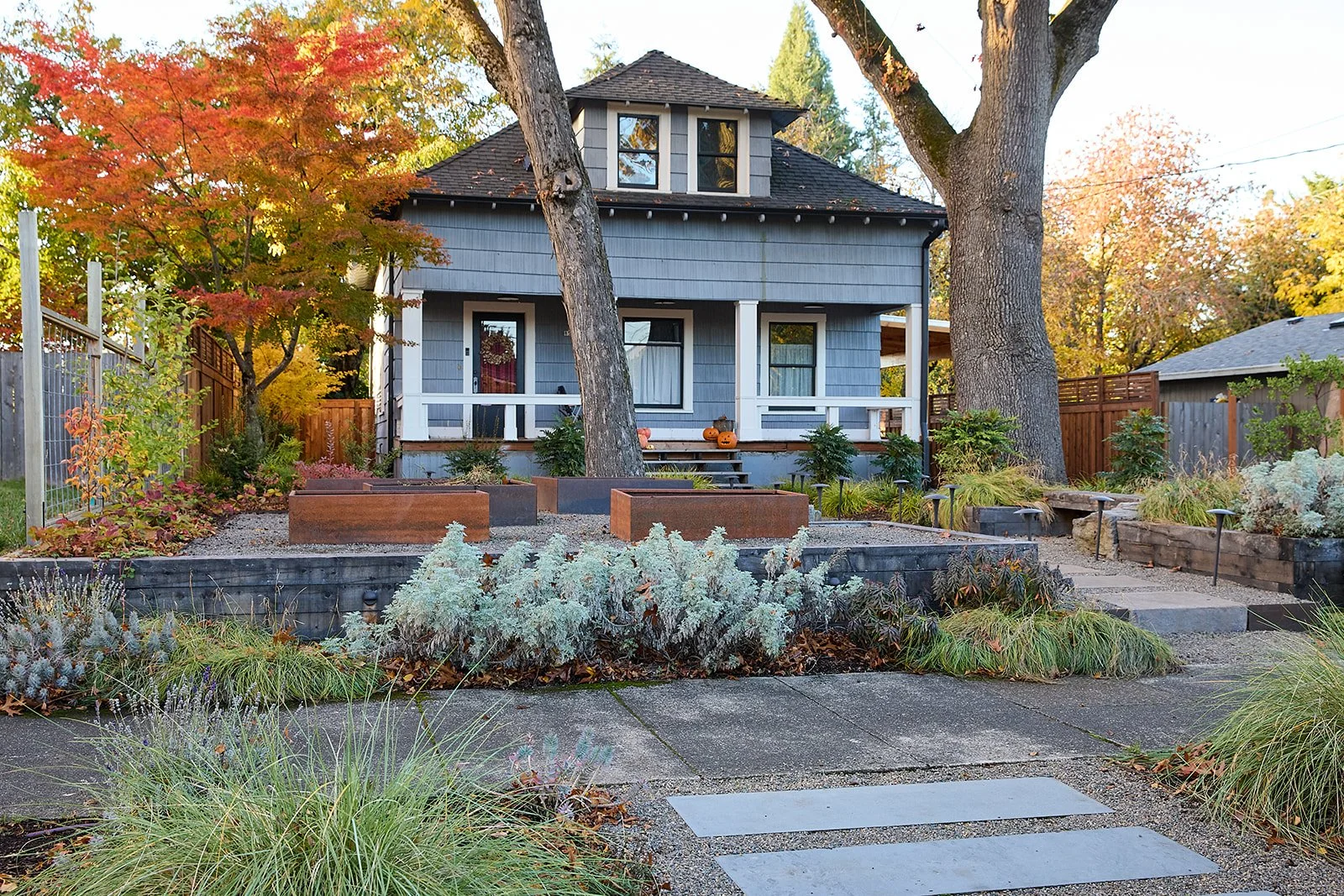
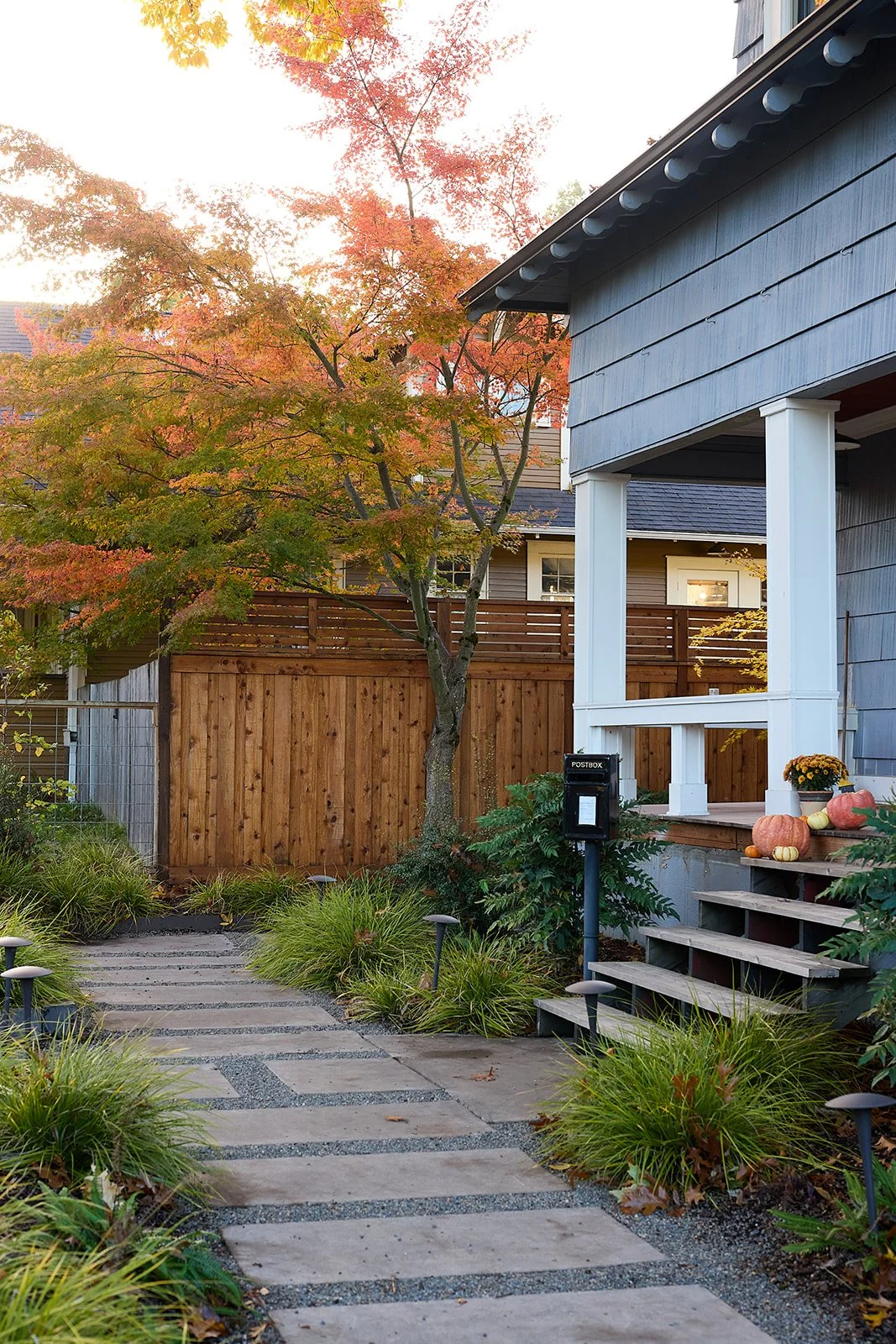
Front yard fall foliage in Portland
There's a real advantage to starting in fall beyond simply beating the spring rush.
We can see what summer hides. Site assessment in fall and winter reveals drainage patterns, water movement, and problem areas that are invisible during a dry August site visit. If your property has a winter pooling issue or a spot where water consistently sheets toward the foundation, we're seeing it in real time during the season it actually happens, not guessing based on what you tell us happened last January.
Design gets real attention, not rushed attention. Design calendars across the industry get slammed from March through June, when every homeowner who waited until spring calls at once. A project that starts design in fall moves through a calmer season, which means more thorough site analysis, more design iteration, and decisions made with time to actually consider them instead of decisions made under pressure to get something, anything, on the schedule before summer.
You're positioned ahead of the spring queue. Projects that are designed and permitted by late winter go into the spring construction queue first. Homeowners who call in April are, realistically, looking at a fall installation instead, an entire growing season lost.
If your project includes new plantings, fall installation itself has a real horticultural advantage. Oregon State University Extension research confirms that from mid-September through mid-November, regional soils stay warm enough to support strong root development, while autumn rain reduces the need for supplemental irrigation during establishment (OSU Extension). A broader horticultural review of transplant timing found fall planting is frequently superior to spring for many deciduous species in temperate climates, largely because fall soils stay moist and root growth can begin before the plant needs to support new spring foliage, avoiding the resource competition that spring-planted specimens face between root establishment and canopy growth (HortTechnology, Richardson-Calfee & Harris). A fall-planted tree or shrub gets a five to six month head start on root development before it ever has to face its first PNW dry season.
So the sequencing works in your favor twice: the design and permitting phases benefit from fall's calmer pace, and if the project includes plant material, the plants themselves establish better going in during fall than they would the following spring.
What This Looks Like on Our Calendar
When you reach out in fall, here's the realistic arc: site consultation and design development through late fall and winter, engineering and permitting wrapped by late winter, and your project entering the construction queue positioned for spring, with the option to install any fall-appropriate plantings even sooner if the design phase moves efficiently.
This is also, frankly, when we do our best work. Winter isn't downtime for a design-build firm, it's when the technical thinking happens: soil reads, hydrology calculations, grading plans, material specifications. The parts of the process that determine whether your landscape performs in year 3, year 10, and year 30 aren't things we rush through in a busy spring window. They're things we get to think about properly when the pace allows for it.
The Caveat
None of this means spring or summer inquiries are too late. We take consultations year-round, and plenty of good projects start outside this ideal window. But if you're the kind of homeowner who wants the fullest possible design process, the most thoughtful site read, and the best shot at spring construction with an already-thriving landscape, fall is genuinely the better time to start the conversation, not just the time we'd prefer you started it.
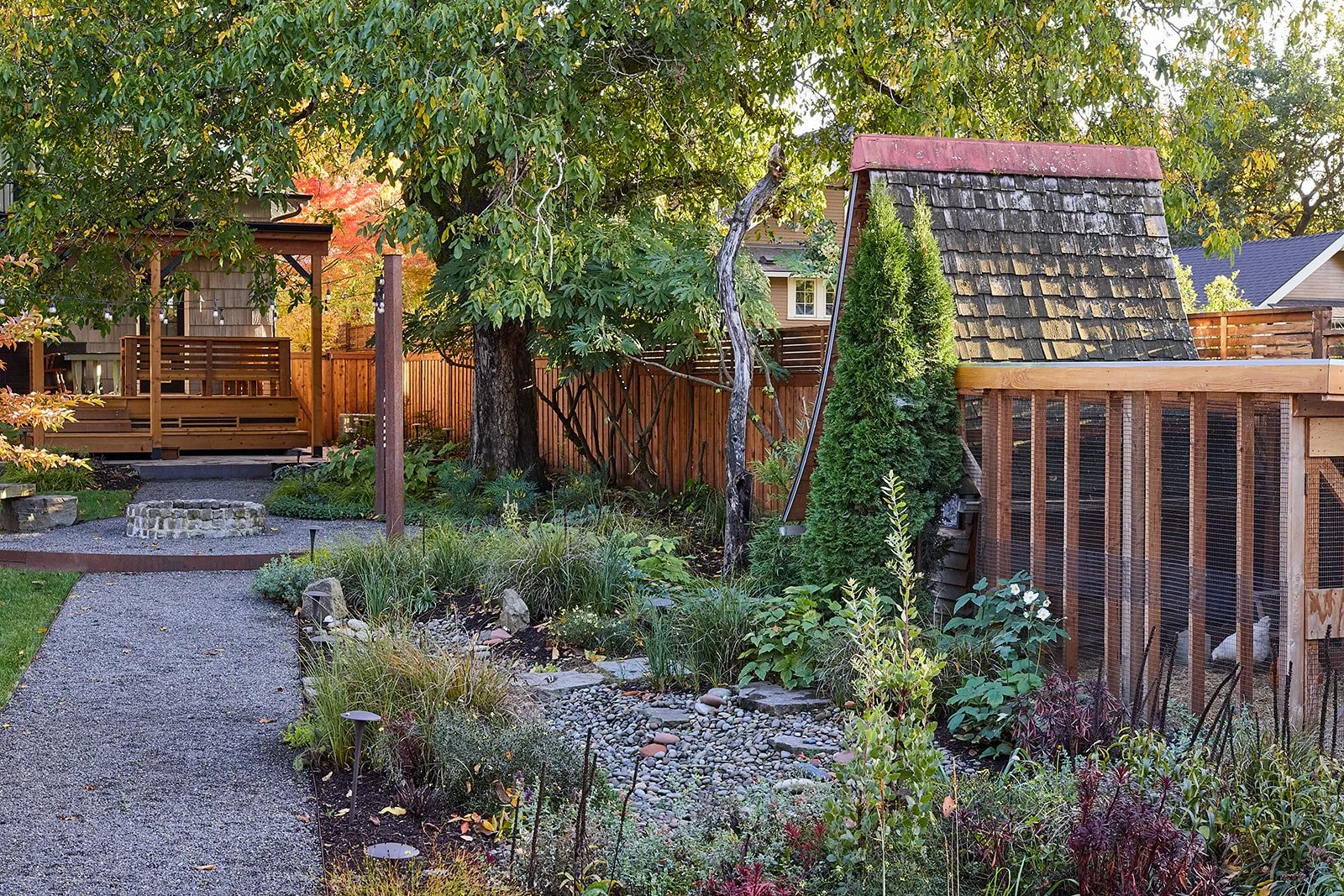
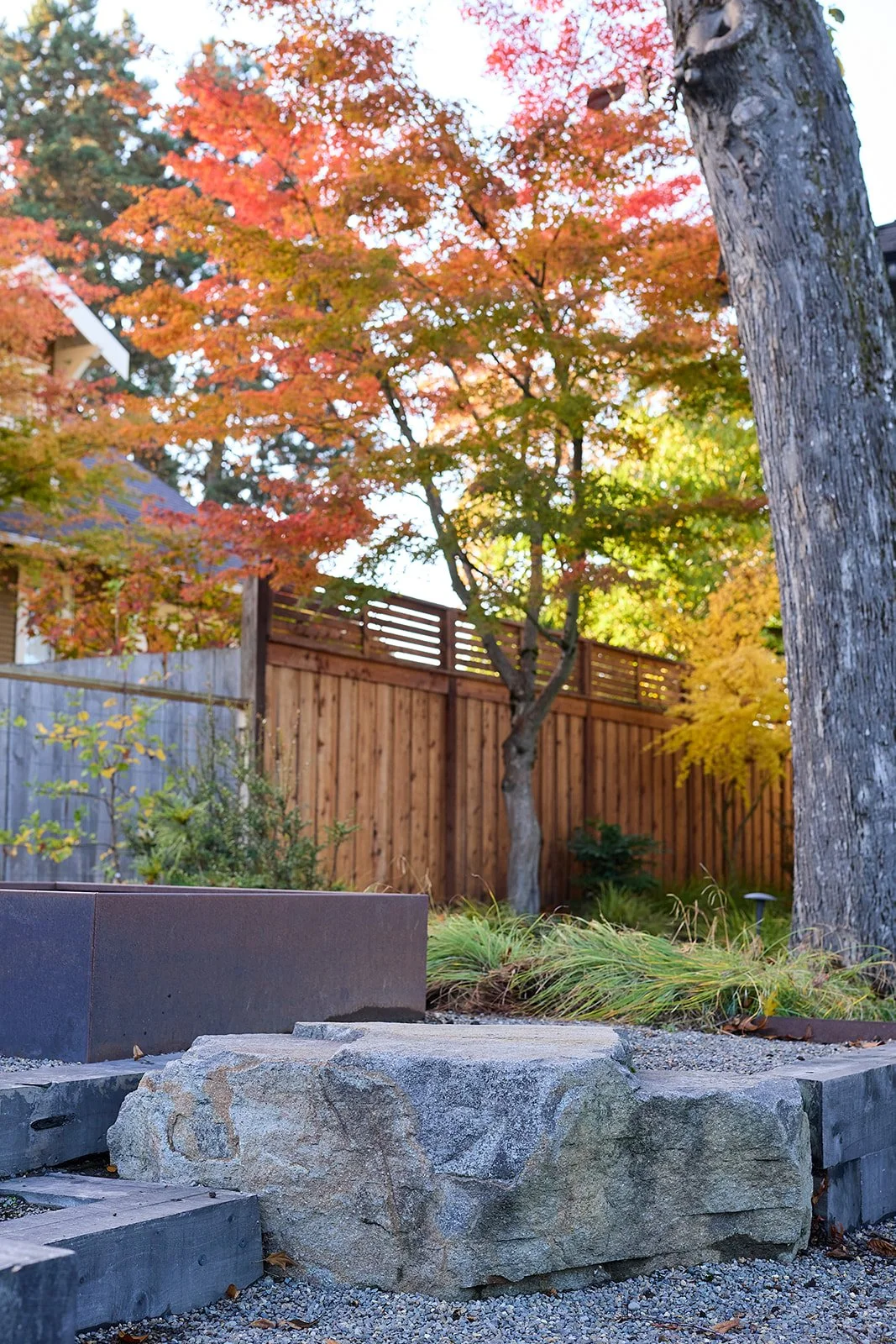
Fall colors starting to turn in the rain garden.
FAQ
Isn't spring the natural time to start a landscape project?
It's the natural time everyone else starts, which is exactly the problem. Design and permitting take months before a single shovel goes in the ground. Starting in fall means your project is ready to build when spring construction season opens, instead of just starting the design process then.
What if I only want new plantings, not a full renovation?
Even a planting-only project benefits from fall timing. Regional soils stay warm enough for strong root development through about mid-November, and fall rain handles most of the establishment watering that a spring-planted specimen would need you to do by hand through summer.
How long does the design phase actually take?
Typically three to six weeks depending on project complexity, a single planting bed redesign moves faster than a full property renovation with grading, drainage work, and multiple outdoor rooms.
Does winter weather slow down construction in the Pacific Northwest?
Some hardscape work can continue through much of the wet season, though heavy grading and certain construction phases are weather-dependent. This is part of why the fall-to-winter window is used for design and permitting work rather than construction itself, so that by the time weather-sensitive construction phases begin, everything else is already resolved.
What if I have an urgent problem, like a drainage issue, right now?
Active issues, a failing retaining wall, a persistent drainage problem, a dying planting bed, are worth addressing on their own timeline regardless of season. The fall planning conversation is about proactive projects, not emergencies.
Do I need to know exactly what I want before I reach out?
No. The site consultation and design development phases exist specifically to take a general goal, more usable outdoor space, a drainage fix, a wellness feature, and turn it into an actual buildable plan. You don't need the answers yet. You need to start the conversation.
Check out our free guides here to learn more
Ready to talk about your site? Schedule a Garden Chat
Checkout the Land Language Podcast to learn from those changing the industry. Listen here
Join us for our upcoming speaking engagements Here
Research sources cited:
Oregon State University Extension. Fall planting offers long-term benefits for trees, shrubs and perennials. https://extension.oregonstate.edu/news/fall-planting-offers-long-term-benefits-trees-shrubs-perennials
Richardson-Calfee, L.E. & Harris, J.R. HortTechnology (2005). A Review of the Effects of Transplant Timing on Landscape Establishment of Field-grown Deciduous Trees in Temperate Climates. https://doi.org/10.21273/horttech.15.1.0132