
The Longevity Landscape
How Your Outdoor Space Can Be the Most Powerful Wellness Investment You Make
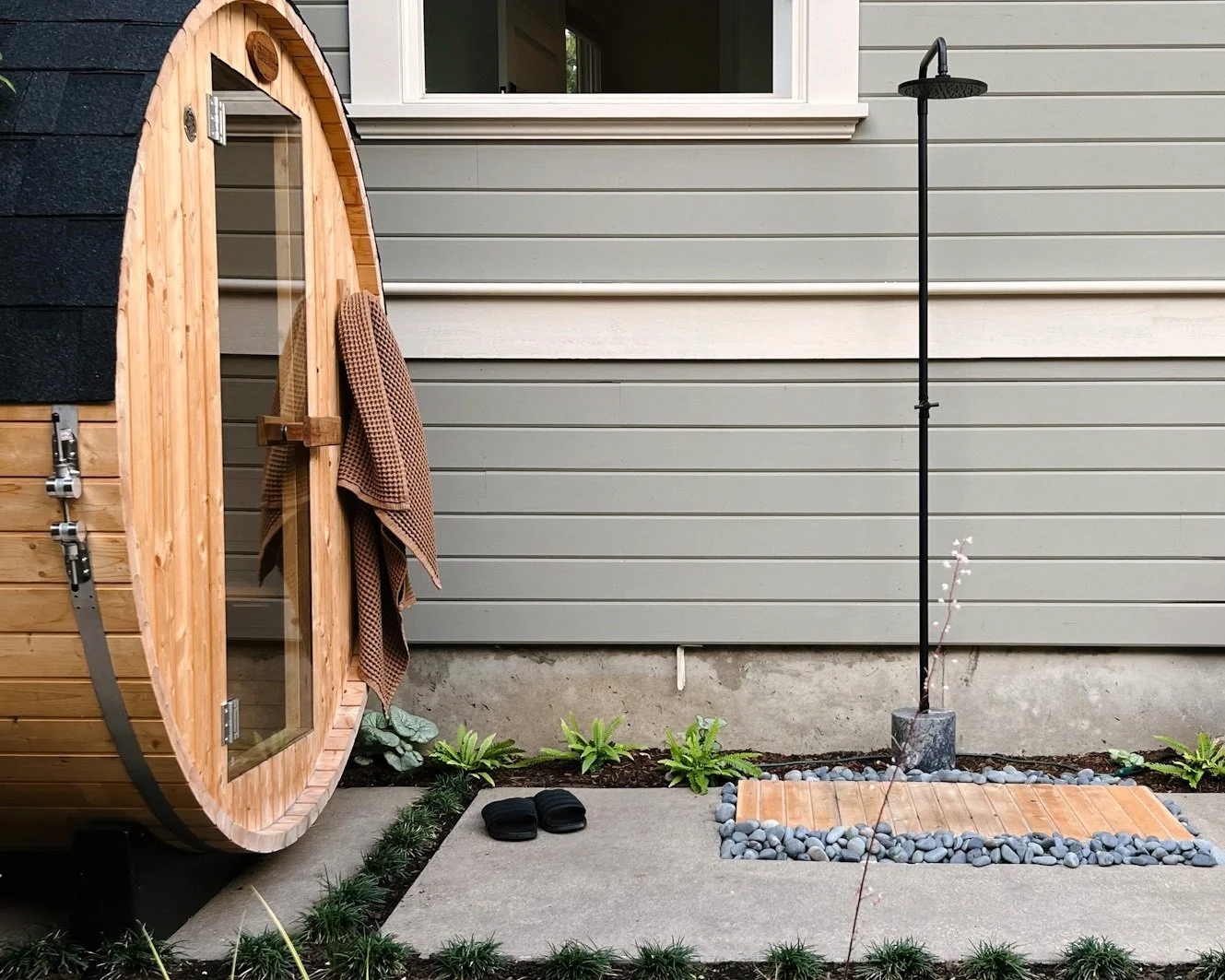
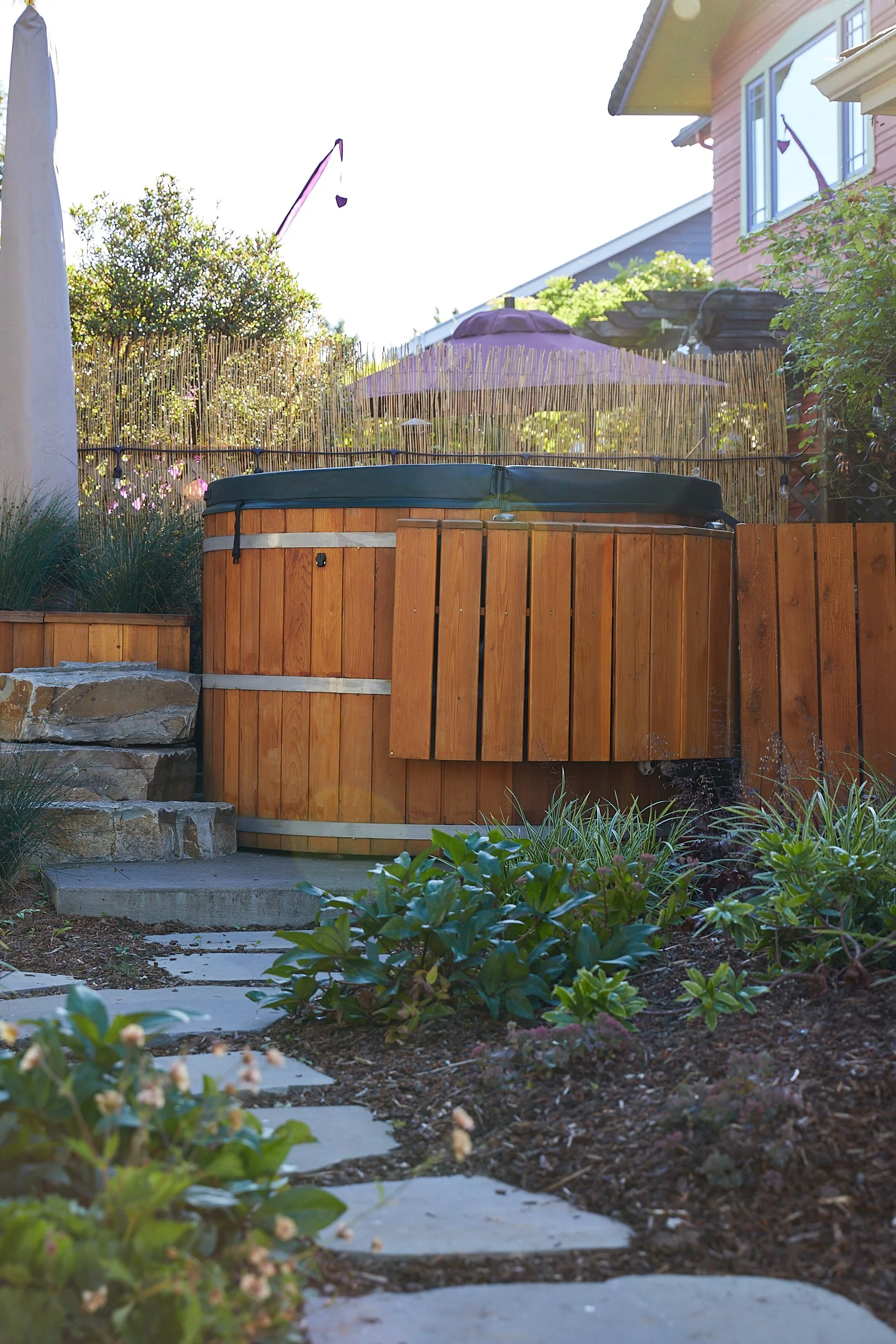
A Barrel Sauna and outdoor shower tucked into a small Portland, OR backyard
Architectural Digest declared 2026 the year of the Longevity Home. Their thesis: your home should function as a recovery center for your nervous system, immune system, and cardiovascular health. Longevity doctors, architects, and WELL-accredited designers are rethinking floor plans, materials, and wellness amenities from the inside out.
We'd push that further.
Recovery doesn't start inside. It starts the moment you step outside. The landscape is the most underutilized health asset on your property, and most people have no idea what it's capable of.
We've been designing for that for years. The science is finally catching up.
This Isn't a Lifestyle Trend. It's Biology.
The research on outdoor time and human health has been building for decades. What's changed in the last few years is the rigor. Peer-reviewed studies, international clinical frameworks, and longevity medicine are all pointing in the same direction: time outside, contact with living soil, and immersion in functional ecosystems are not optional wellness extras. They are physiological necessities.

A few data points worth knowing:
A 2026 systematic review published in Frontiers in Psychology analyzed the effects of Shinrin-Yoku (forest bathing) on cardiovascular and mental health across 11 studies. Forest bathing reduced heart rate by an average of 4 beats per minute and produced measurable reductions in tension, anxiety, and depression. The mechanism is straightforward: natural environments engage the nervous system in ways that allow it to restore rather than defend. Your body stops scanning for threats and starts recovering.
A 2025 open-access review in Discover Public Health found that home gardening reconnects people with soil microbiota in ways that enhance immune function and regulate endocrine responses. Touching soil isn't incidental to the garden experience. It's one of the primary biological benefits. The living system under your feet is in direct conversation with the living system inside you.
In 2026, PLOS Global Public Health published an international framework formalizing "nature prescriptions" as a legitimate clinical tool, developed by an expert panel across eight countries with consensus on 146 statements. Outdoor time is now being written into healthcare protocols. The question is no longer whether nature exposure supports health. The question is how to design for it intentionally.
Architectural Digest's Longevity Home report (March 2026) quotes Dr. Dawn Mussallem, chief medical officer at longevity clinic Fountain Life: "Your home should function as a recovery center for the nervous system, immune system, and cardiovascular physiology, a place where biology can restore rather than defend."
We design the part of that recovery center that most architects and interior designers never touch. The landscape is where the biology actually happens.
A regenerative wellness space is something different.
It starts with a site read.
The wellness garden trend is real. Saunas, cold plunges, hot tubs, meditation gardens, and outdoor bathhouses are showing up in every design publication and on every Pinterest board. The "sparden" (spa plus garden) has become shorthand for a whole category of outdoor living investment.
Most of what's being built, though, is a product installation. A sauna dropped on a concrete pad. A stock tank cold plunge tucked into a corner. Some ornamental grasses for softening. It looks good in photos. It often doesn't function well past year two.
A regenerative wellness space is something different. It starts with the site read.
Before we spec a single material or place a single feature, we read the site. Where does water move across this property? Where does it pool in a wet winter? Where does the sun hit at 7am, at 2pm, at 7pm? What's the soil biology doing? What's the existing drainage pattern? These questions determine whether your wellness zone functions for 30 years or degrades in three. They are not optional steps. They are the design.
We also think in zones, oriented around how people actually live. A morning zone: quiet, east-facing, soft light, a cold plunge or a simple meditation nook with native plantings that catch the early sun. An afternoon zone: shade, movement, the sound of water. An evening zone: sauna warmth, fire, the kind of light that slows a day down. This is circadian rhythm applied to landscape design. You're not just building a wellness feature. You're building a daily practice.
The Regenerative Standard runs through all of it:
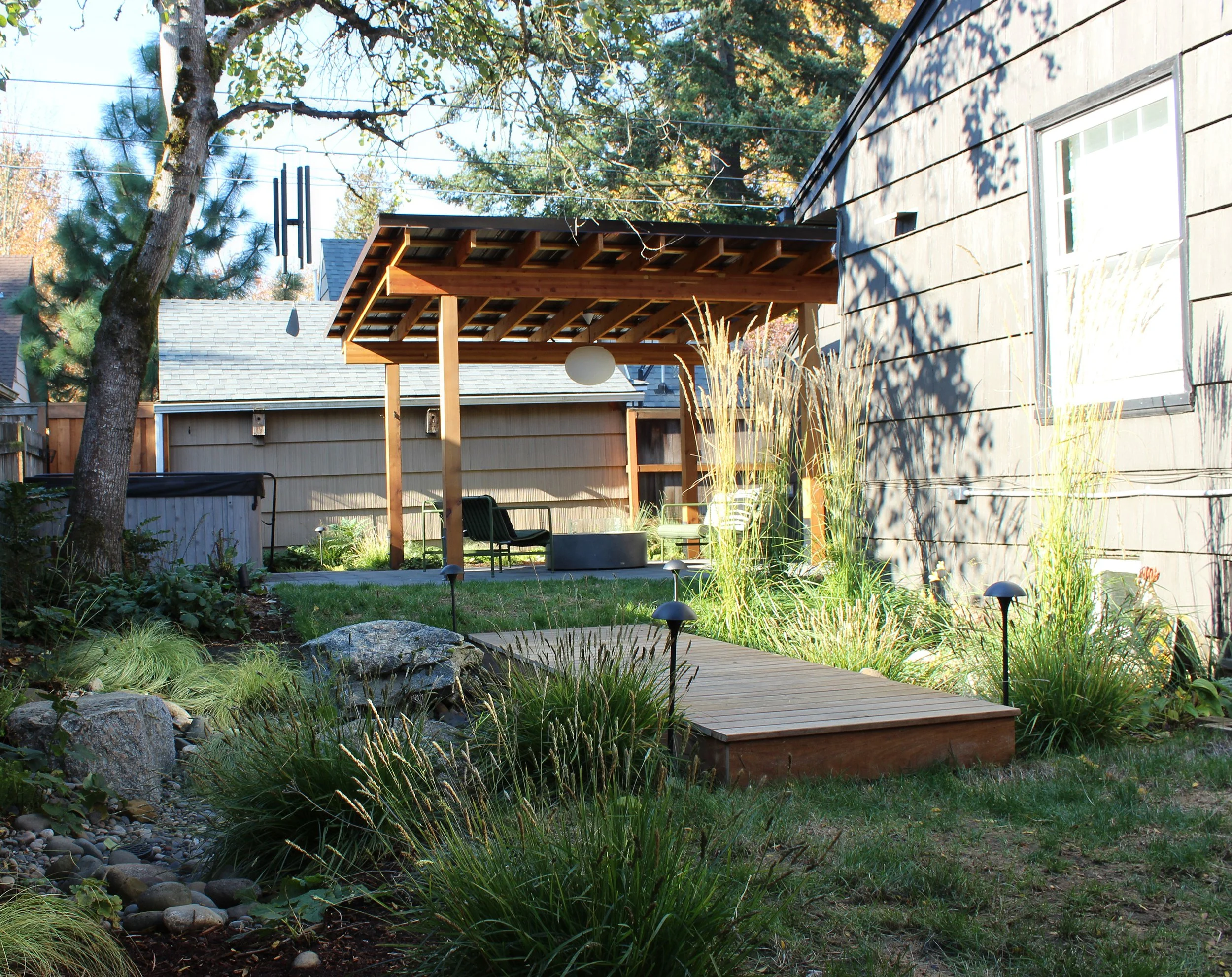
Water: Drainage under the sauna foundation. Overflow management from the cold plunge. Stormwater from the surrounding hardscape directed into the system, not away from it.
Materials: What ages well, what degrades, what belongs to this place. More on this below.
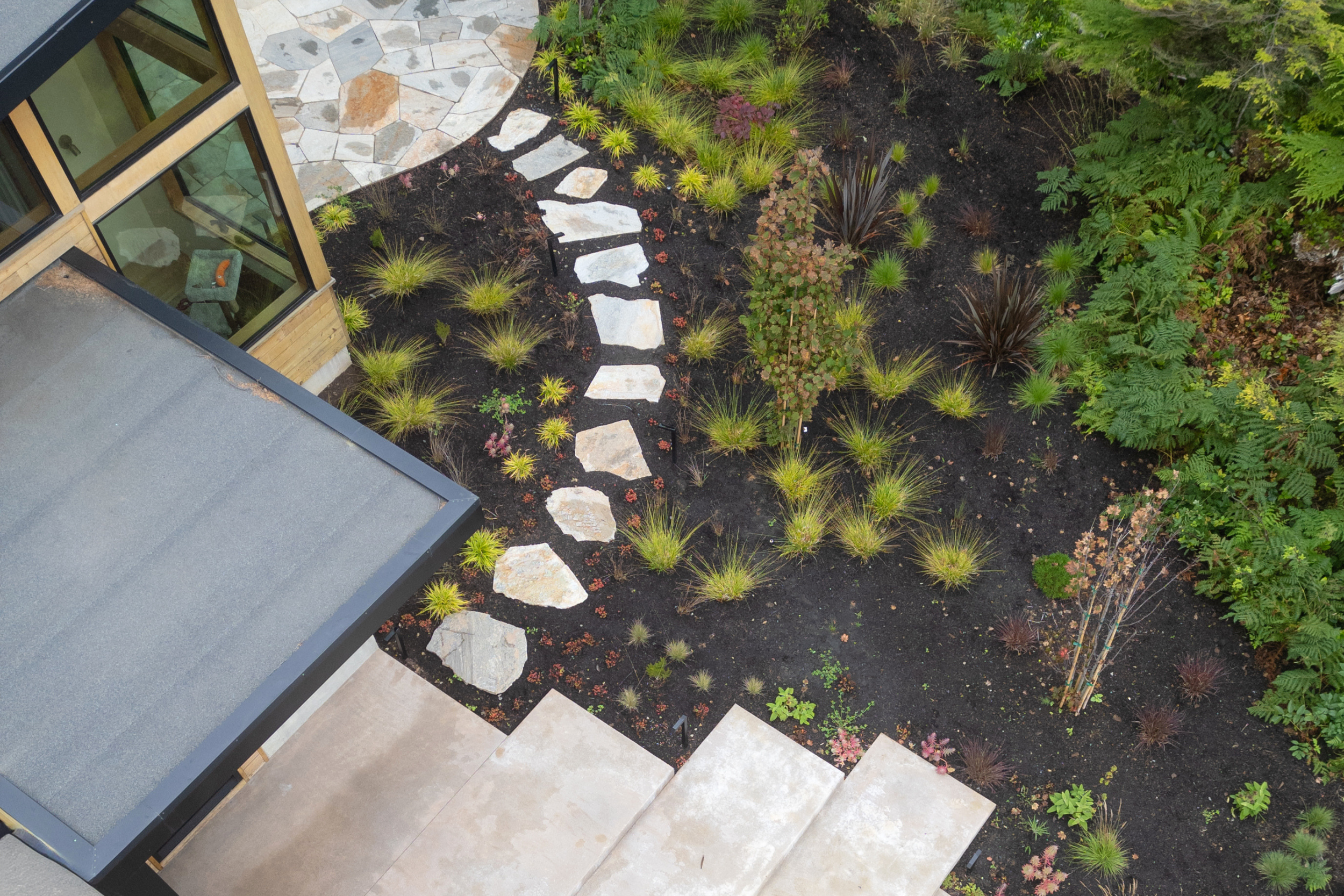
Soil: What's under the foundation matters. Protecting existing soil biology during construction is not a nice-to-have. It's the difference between a landscape that establishes quickly and one that struggles for years.
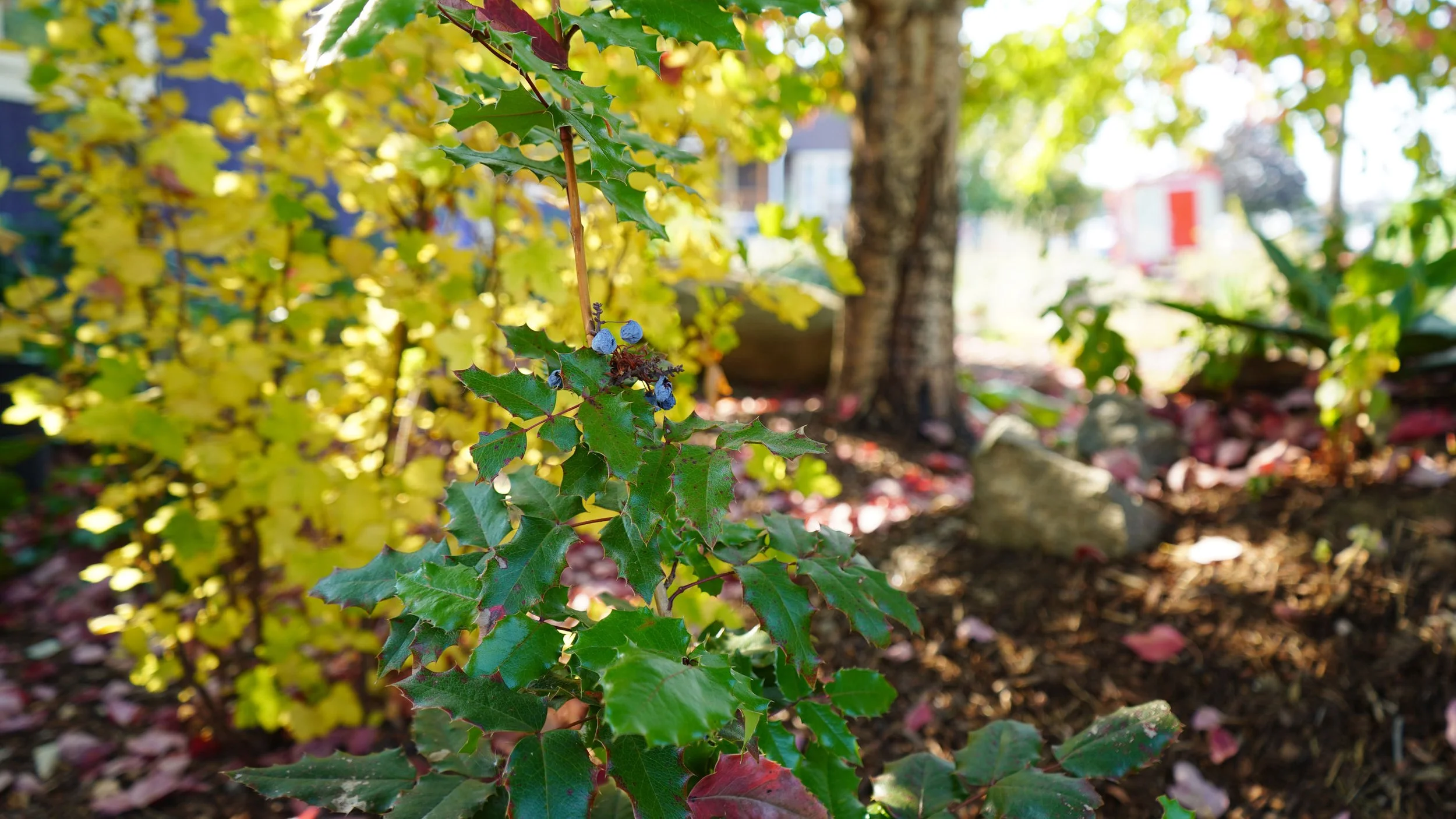
Habitat: The wellness space is part of the larger ecosystem, not separate from it. A cold plunge surrounded by native plantings that support pollinators is a better cold plunge.
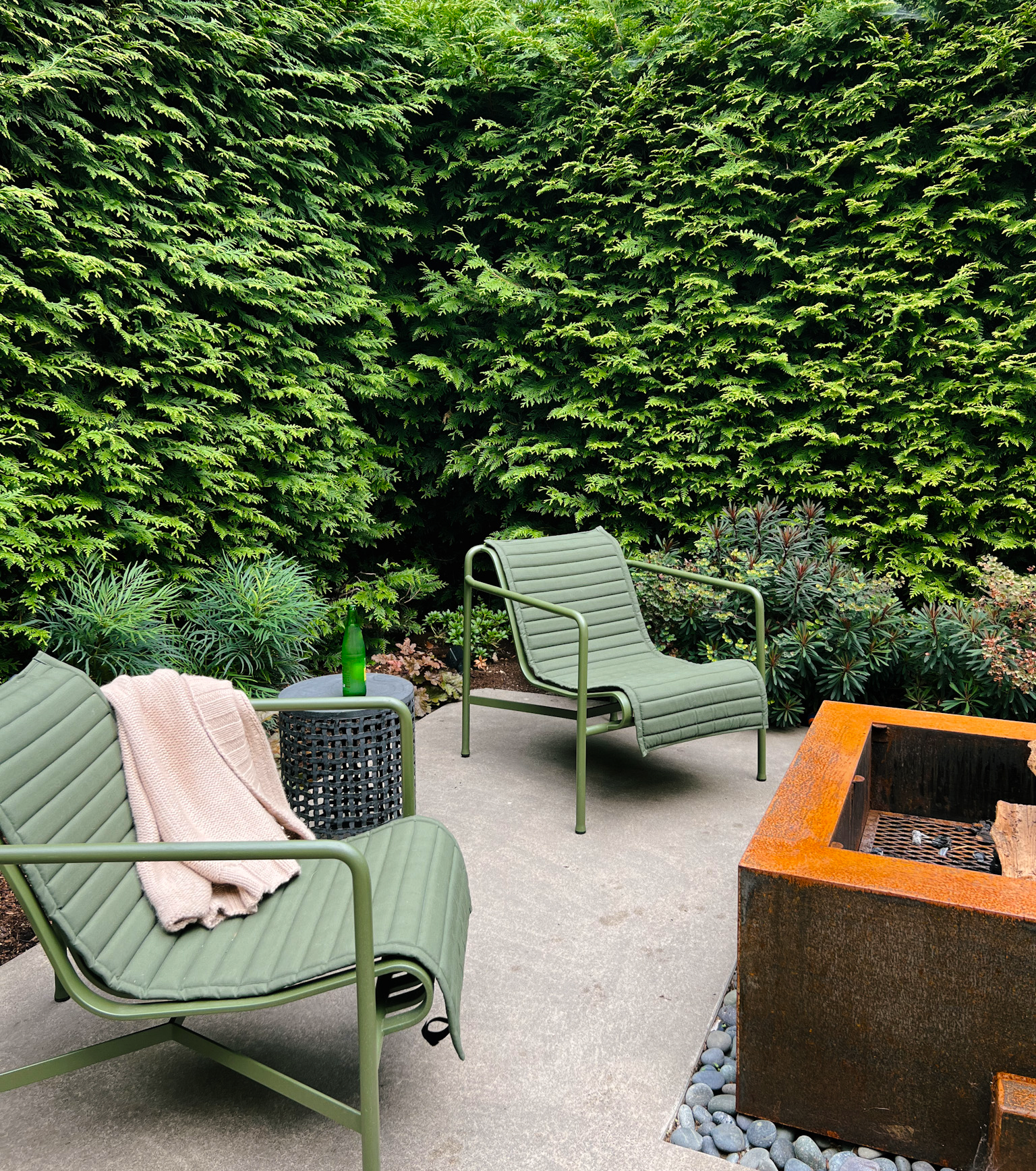
Plants: Functional privacy screening. Aromatic natives that engage the senses and support habitat. Seasonal interest that makes the space worth being in year-round.
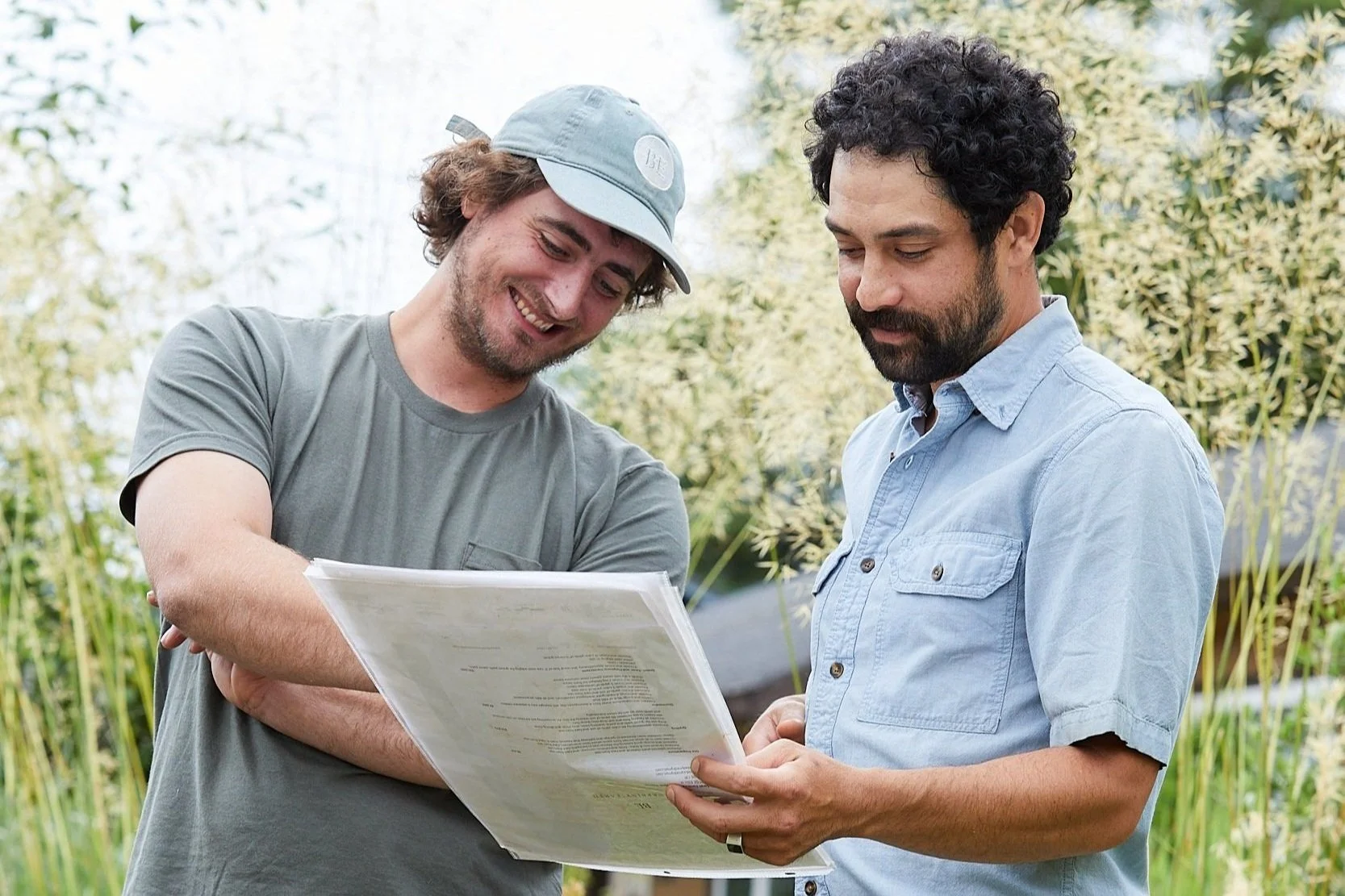
Process: Design and construction in conversation from day one. The decisions that determine whether a wellness zone actually works (grading, drainage, foundation, utility routing) happen before the first board goes up. They require design expertise and construction expertise in the same room.
The Materials in Your Wellness Space Are a Health Decision
Architectural Digest's Longevity Home report makes a strong case for healthy materials indoors: avoid finishes that off-gas, surfaces that require chemical maintenance, and building products that degrade faster than they should. The same logic applies outside, and the stakes are arguably higher because outdoor materials are in direct contact with soil, water, and the biological systems that support your landscape's long-term health.
We spec three materials in almost every wellness zone we build. Each one is a decision that compounds over time.
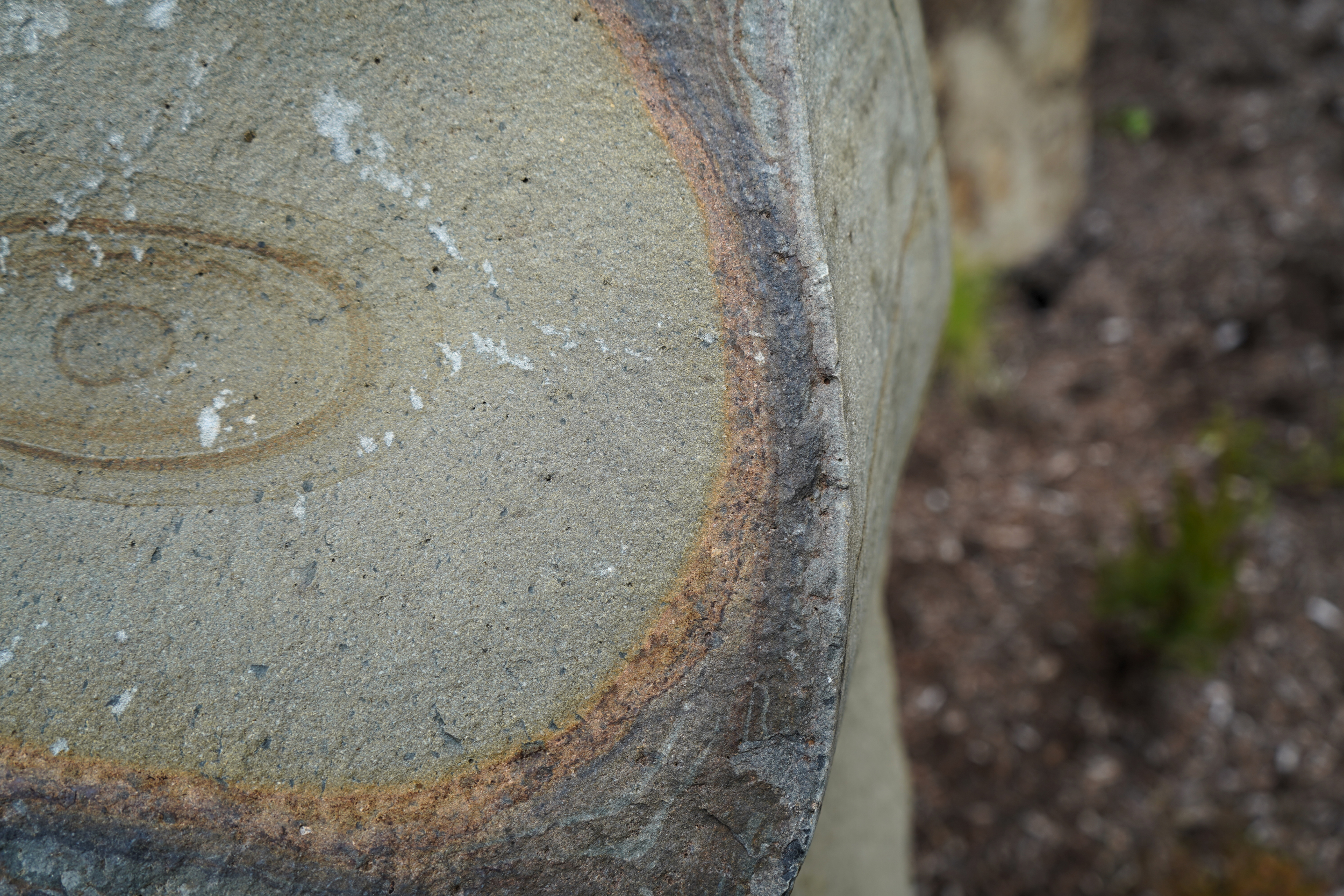
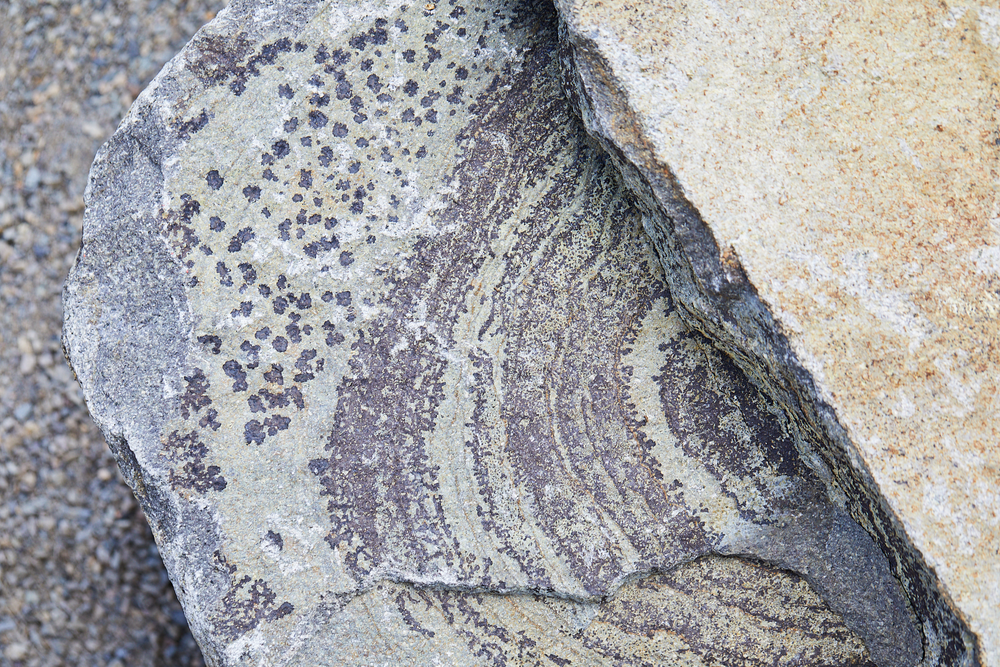
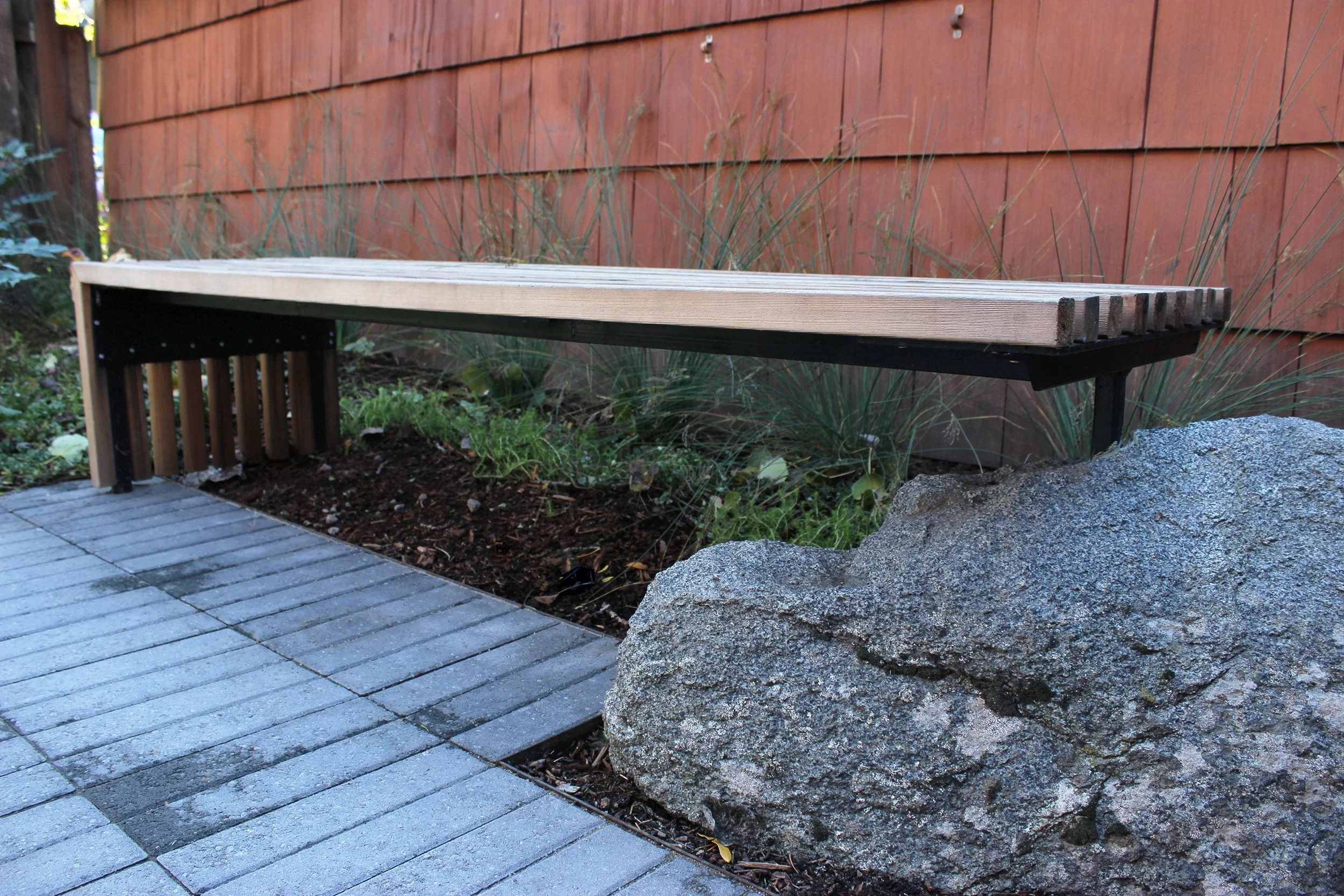
Boulders can be used for benches, coffee tables, monuments, and reflection pools.
01 - Locally Sourced Stone (Baker Blue Granite, Basalt)
Boulders are not decoration. They are thermal mass. A well-placed basalt boulder absorbs heat during the day and radiates it into the evening, extending the usable hours of your wellness zone into the cooler PNW nights. They anchor a space psychologically. They create enclosure without walls. They provide habitat for insects, mosses, and the small creatures that make a garden feel alive.
Local sourcing matters here for two reasons. Carbon footprint is the obvious one: stone quarried in the Pacific Northwest doesn't travel across the country or across an ocean. The less obvious reason is that materials sourced from this region belong to this landscape in a way that imported stone never quite does. The geology of place is part of the design.
Follow along on Instagram for the full breakdown of The Regenerative Series, Series 1, Episode 1
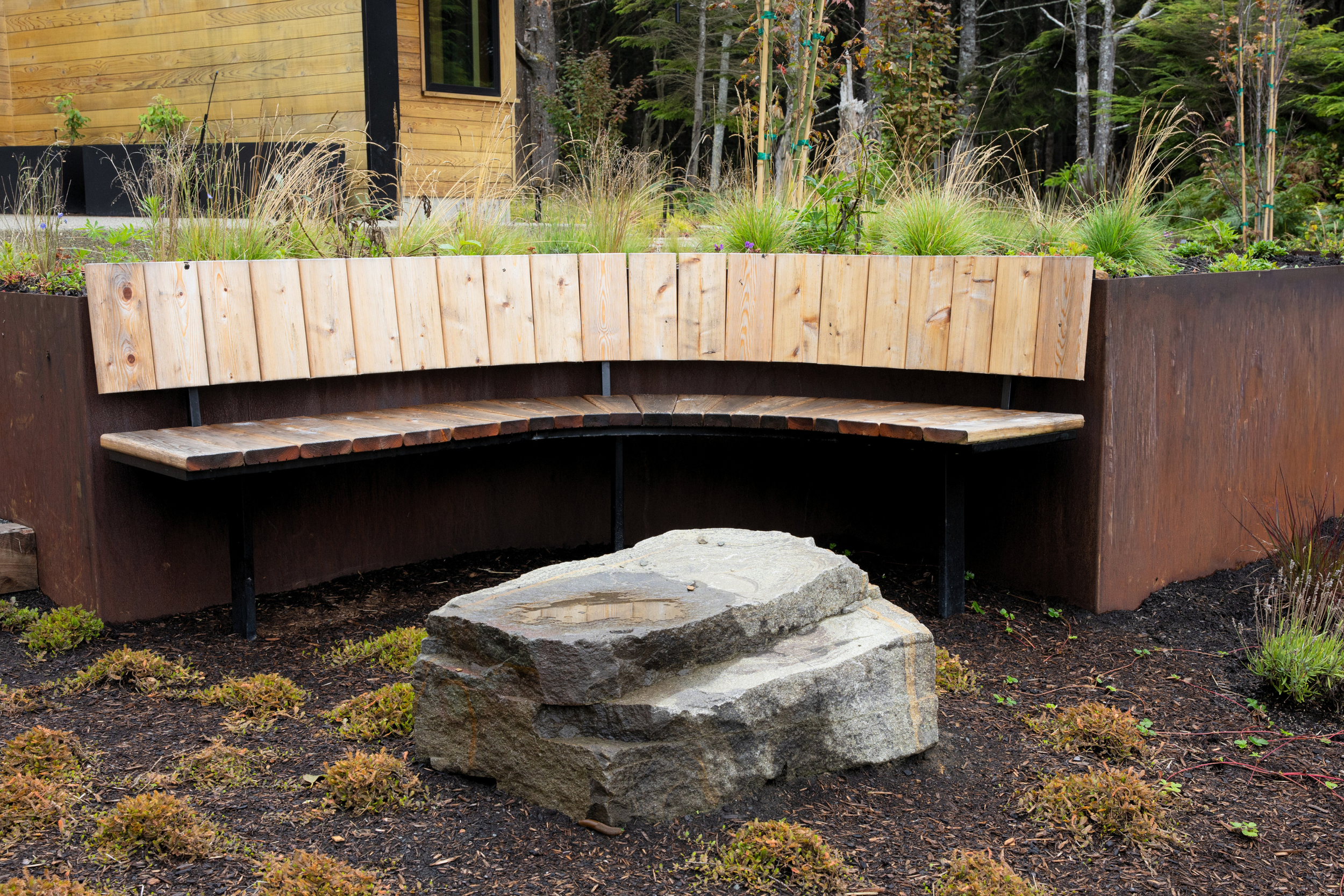
A custom fabricated bench featuring juniper and Corten Steel, fit with a boulder coffee table.
02 - Western Juniper
Western Juniper comes from overgrown forests in Eastern Oregon, where decades of fire suppression have allowed it to spread beyond its historic range, crowding out native grasses and shrubs and increasing wildfire risk. Harvesting it for construction is an act of habitat restoration. It also happens to be one of the most durable woods available for outdoor use: 25 or more years in ground contact, naturally rot-resistant, no chemical treatment required.
We use it for garden bed edging, outdoor furniture, and tongue-and-groove ceilings on pergolas. When you spec juniper instead of pressure-treated lumber, you're removing a source of chemical leaching from your soil contact zones and supporting a regional supply chain that's doing genuine ecological work. Check out The Land Language Podcast Episode featuring Lynn Morgan on Local Materials, Lineage, and Regenerative Forestry. Follow along on Instagram for the full breakdown of The Regenerative Series, Series 1, Episode 2.)
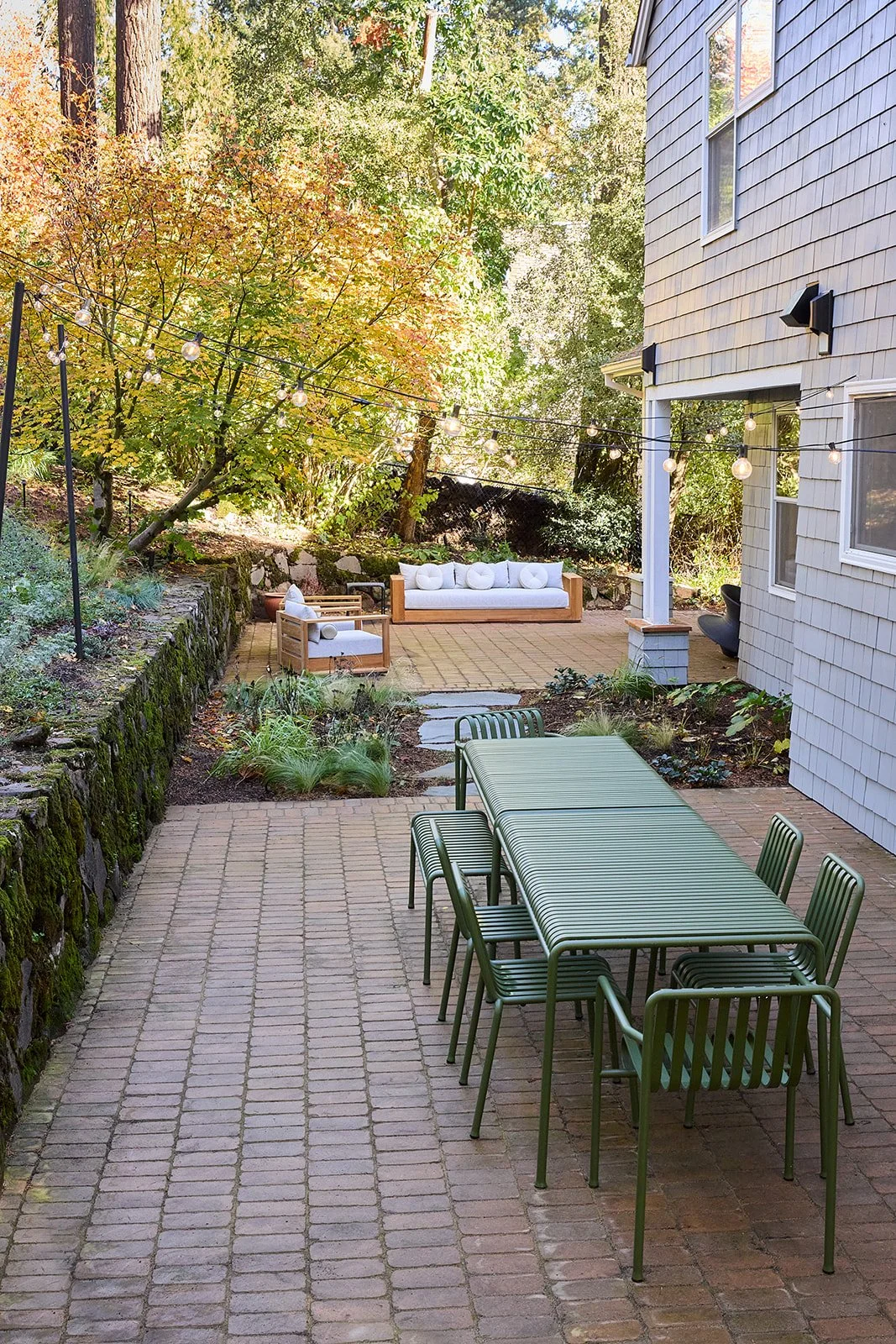
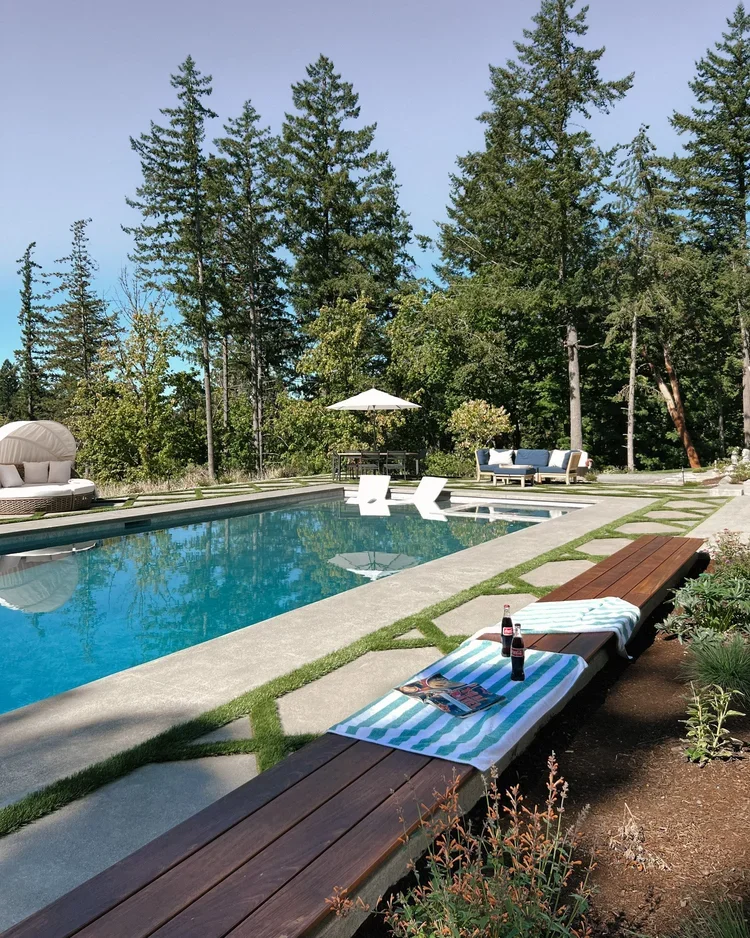
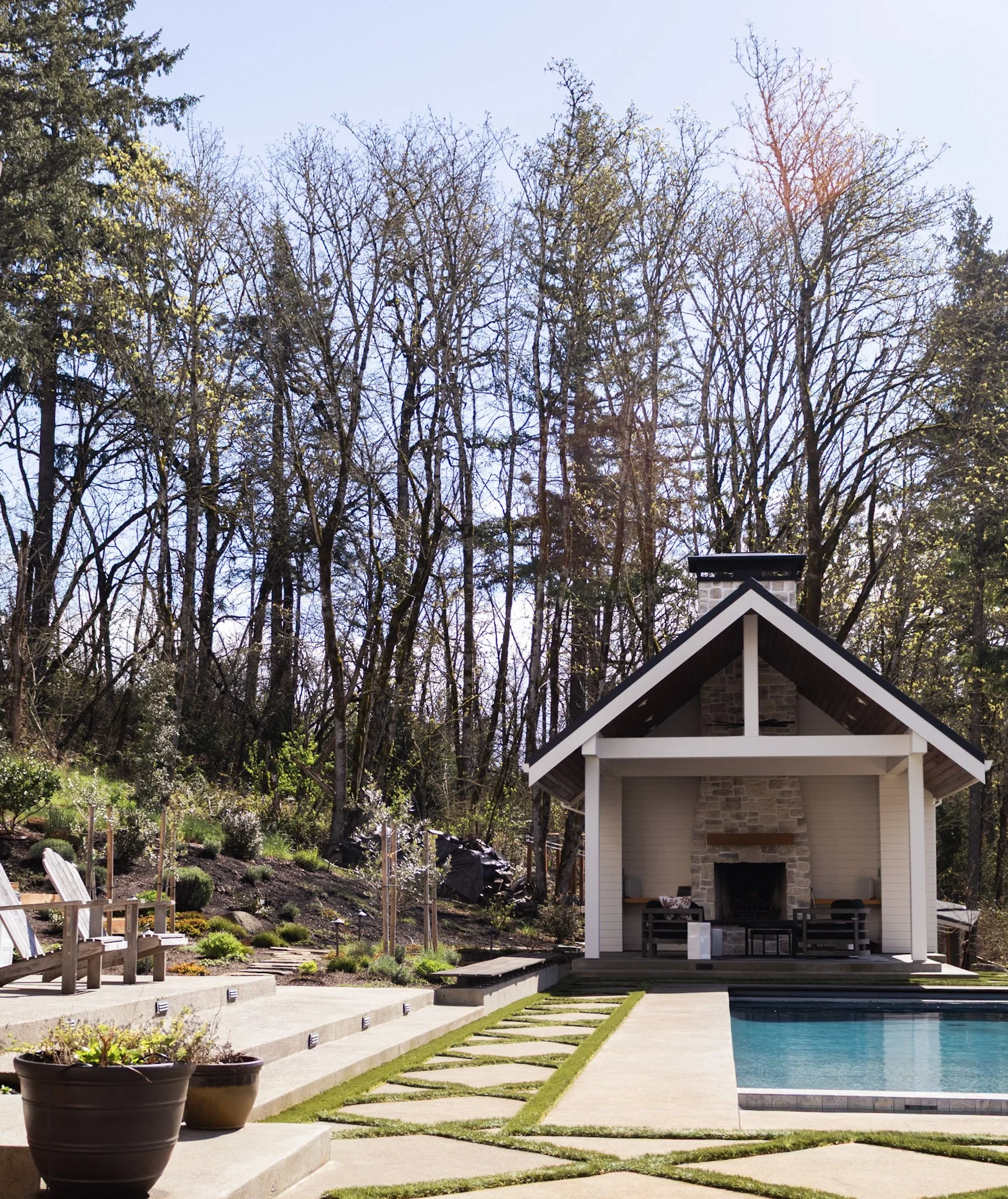
ORCA paver patios at a project in Lake Oswego, OR
03 - ORCA Earthen Pavers
The hardscape surrounding your wellness zone is a water decision. Every square foot of impermeable surface is a square foot that can't infiltrate rainfall, which means more runoff, more erosion, more pressure on your drainage system, and more pollutant load moving toward the watershed.
ORCA Earthen Pavers are permeable, cradle-to-cradle certified, and designed for the PNW climate, including freeze-thaw cycles and the moss growth that comes with our wet winters. They age better than conventional pavers. They support the watershed. And they look better at year ten than they did at installation. Follow along on Instagram for the full breakdown of The Regenerative Series, Series 1, Episode 3.)
Coming up
Coming up
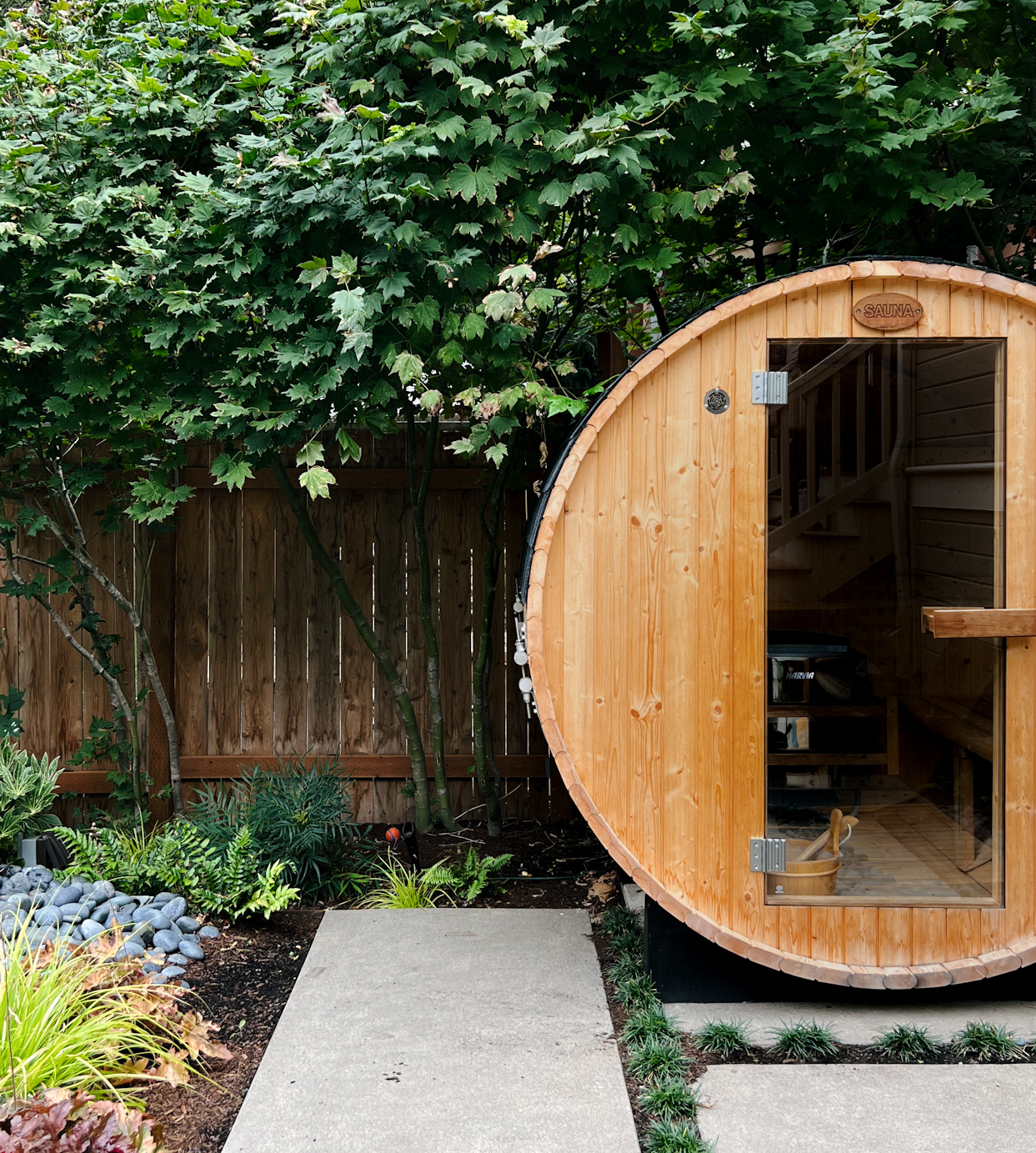
The Sauna Project
We're documenting the full process in The Regenerative Series
The sauna boom is real. Architectural Digest called it the defining wellness object of 2025. The global cold plunge market is projected to reach $659 million by 2033. Contrast therapy (moving from sauna heat to cold immersion) has moved from elite athlete recovery culture into mainstream backyard design, and for good reason. The physiological reset from heat-to-cold cycling is one of the most effective tools available for lymphatic function, nervous system recovery, and psychological reset.
A current project fit with a sauna, outdoor shower, and a custom trellis/fence structure.
But most people are making expensive mistakes because they're buying a product without designing a system.
A sauna that molds in year two is a drainage problem. A cold plunge that breeds mosquitoes is a water management problem. A wellness zone that never gets used is a site planning problem. These are not product failures. They are design failures, and they happen when the landscape is treated as an afterthought rather than the foundation.
We're documenting the full process in The Regenerative Series, Series 2: The Sauna Project. Three episodes, covering everything from kit selection to the complete wellness ecosystem.
-
Not all saunas perform equally in the Pacific Northwest climate. Nootka Cedar and Redwood hold up. Cheap imported kits, the ones that look identical in product photos, warp, mildew, and look dilapidated after a single wet winter. The kit is actually the smallest decision in the project. What matters more is what surrounds it. But choosing the wrong kit means rebuilding in two years, and the most common regret we hear from clients is trying to save money on the sauna itself while spending correctly on everything else.
-
Foundation requirements, drainage planning, electrical routing, privacy screening, and orientation to sun and views. These decisions happen before the first board goes up. Orient the sauna toward the best view from inside. Plan the drainage before you pour the foundation. Run the electrical conduit before you build the deck. Get these right and the sauna becomes a daily ritual. Get them wrong and no amount of beautiful cedar fixes it.
-
The sauna is the anchor. The landscape makes it a ritual. Cold plunge options (stock tanks, custom builds, natural ponds), outdoor shower integration for contrast therapy, seating and gathering zones for the post-sauna wind-down, aromatic native plantings (Oregon grape, red-flowering currant, lavender, deer grass) that engage the senses and support habitat, and evening lighting that extends use into the darker months. This is the full system.
Designing for Every Life Stage
Designing for Every Life Stage
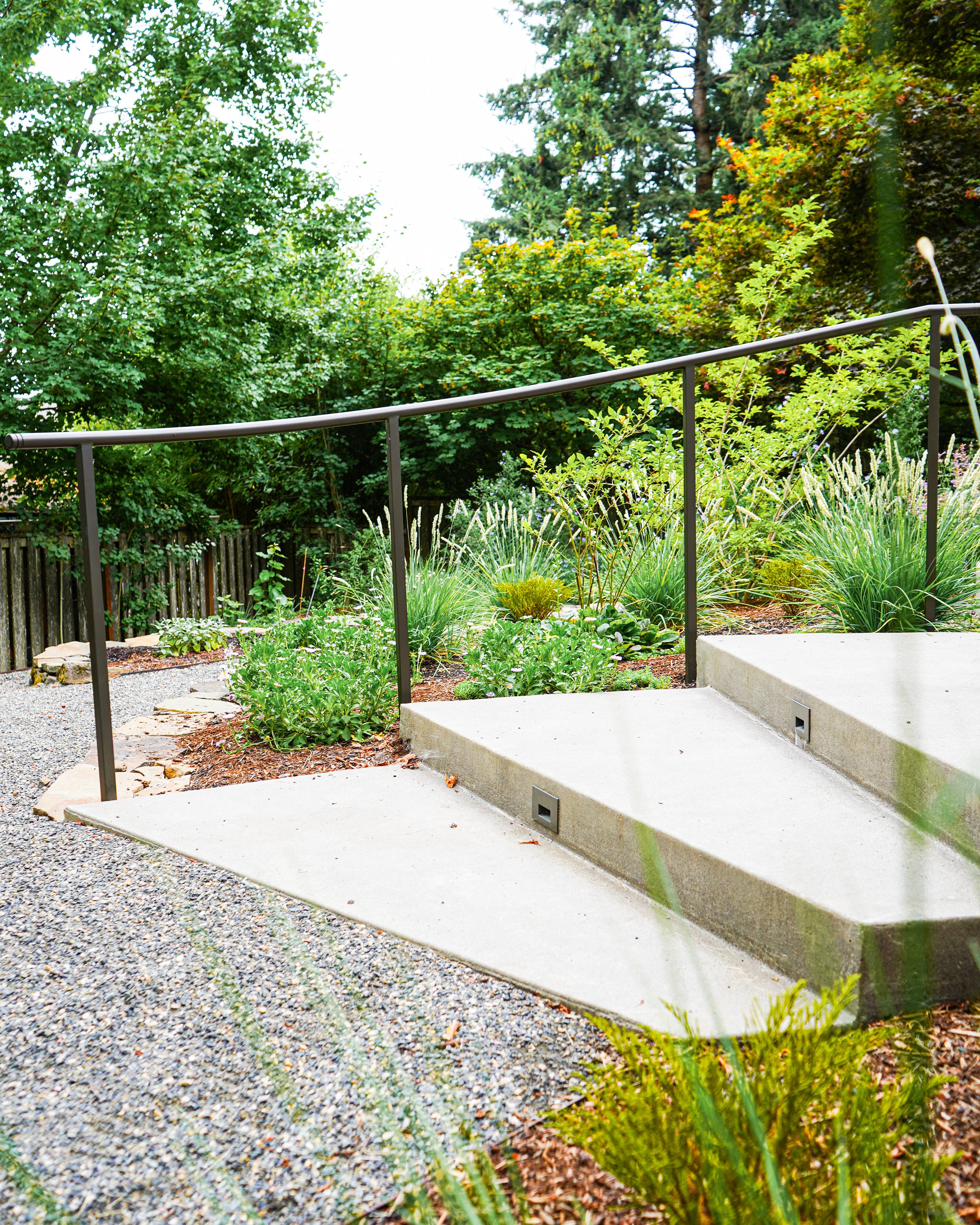
Designing for Every Life Stage
It looks like a home that was designed to be lived in completely, across decades.
Longevity design is not about accommodating decline. It's about building spaces that work fully at every age, and that don't require expensive retrofits when life changes.
Architectural Digest's Longevity Home report makes this point well for interiors: the best longevity design doesn't look clinical. It looks like a home that was designed to be lived in completely, across decades. Wide doorways, flush thresholds, non-slip surfaces. These aren't concessions to limitation. They're good design decisions that serve everyone better.
The same principle applies outside.
Wide, level pathways from the house to the wellness zone aren't just accessible design. They're practical design. They work for wheelbarrows, for kids running, for carrying firewood to the sauna in the dark. Flush transitions between indoor and outdoor spaces reduce trip hazards for everyone. Non-slip surfaces around the cold plunge and sauna protect a 35-year-old coming out of a hot sauna just as much as they protect a 70-year-old.
Raised planting areas near the wellness zone keep the garden accessible and productive without requiring the kind of sustained bending that becomes harder over time. Seating integrated throughout the space, not just at the destination, means the journey through the garden is part of the experience at every life stage.
The zone-based design framework holds across decades. A morning meditation nook oriented to catch the early light works at 35 and at 75. A sauna sited for privacy and ease of access from the house gets used daily regardless of age. A cold plunge integrated into the landscape rather than dropped in as an afterthought becomes a permanent part of how the property functions.
This is what we mean when we say we think in year 3, year 10, and year 30. We're not designing for the day of completion. We're designing for the full arc of how you'll live here.
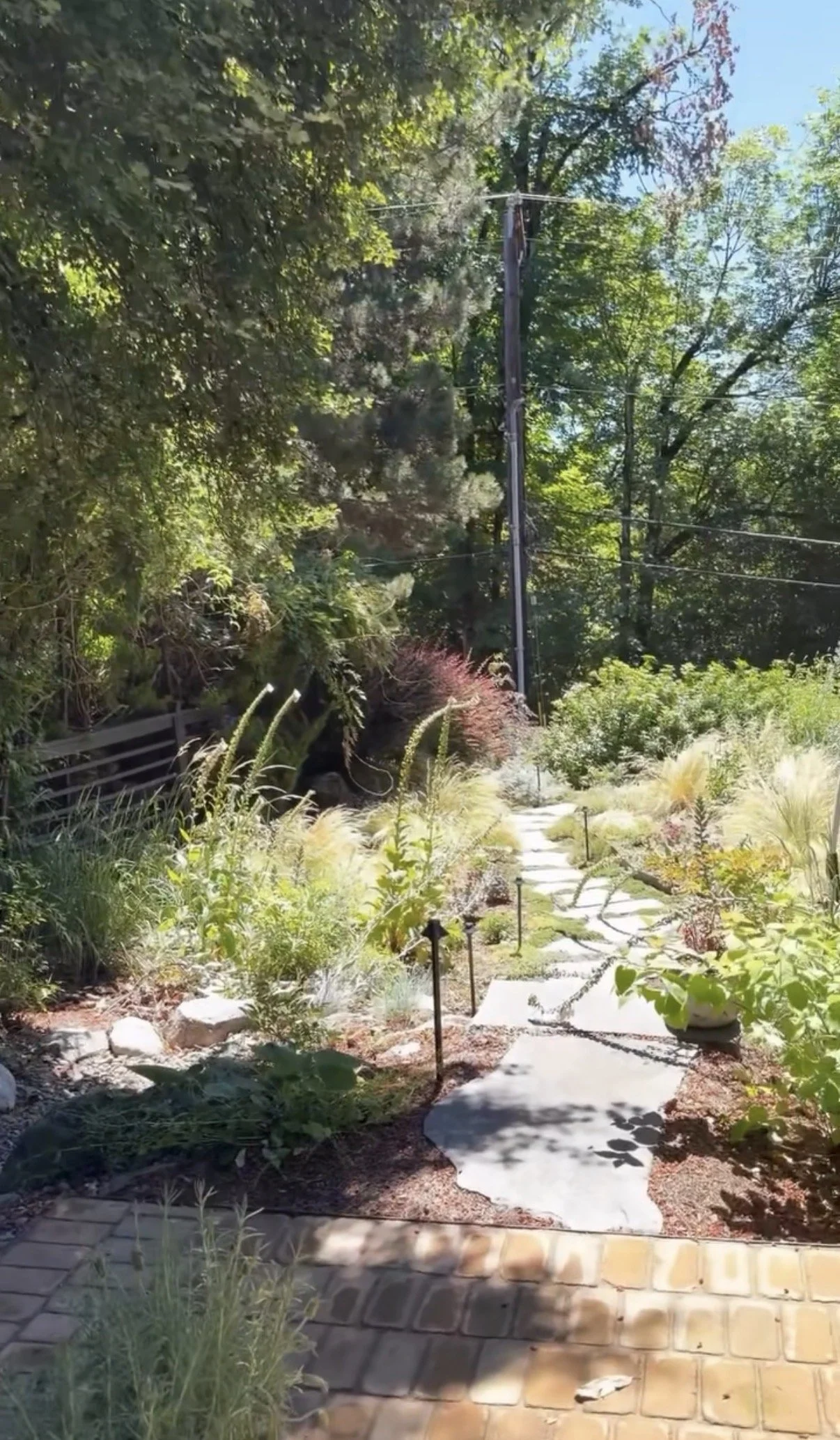
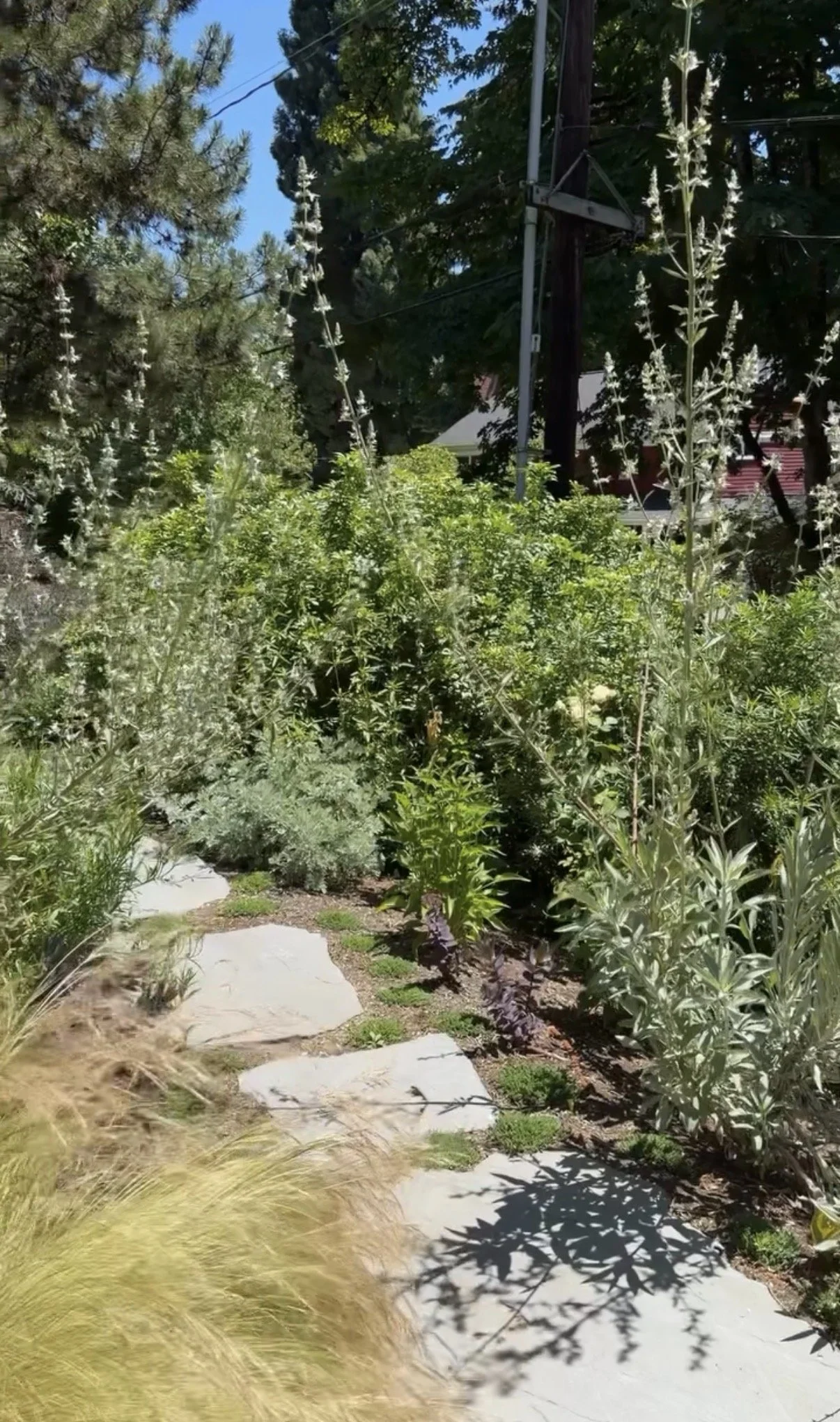
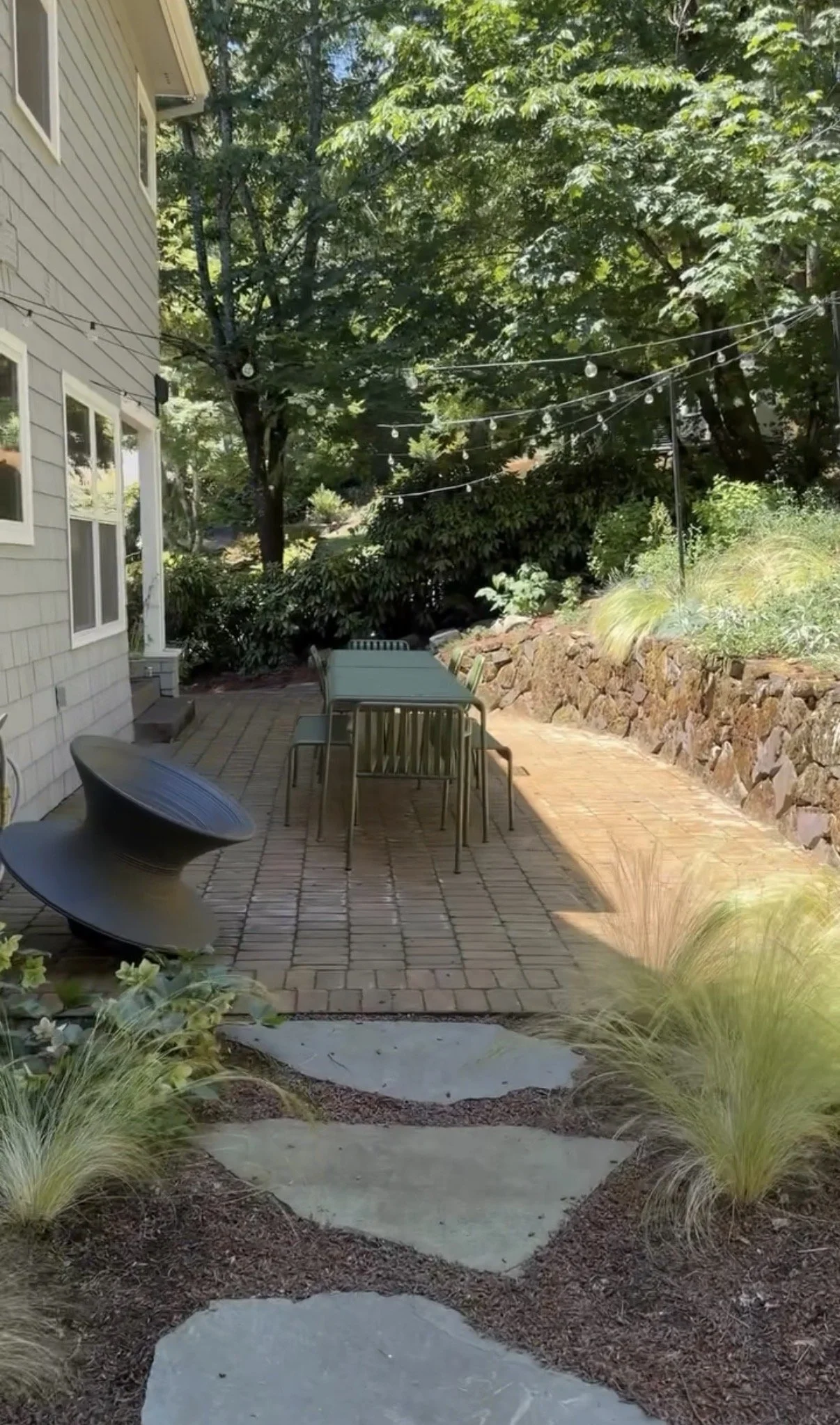
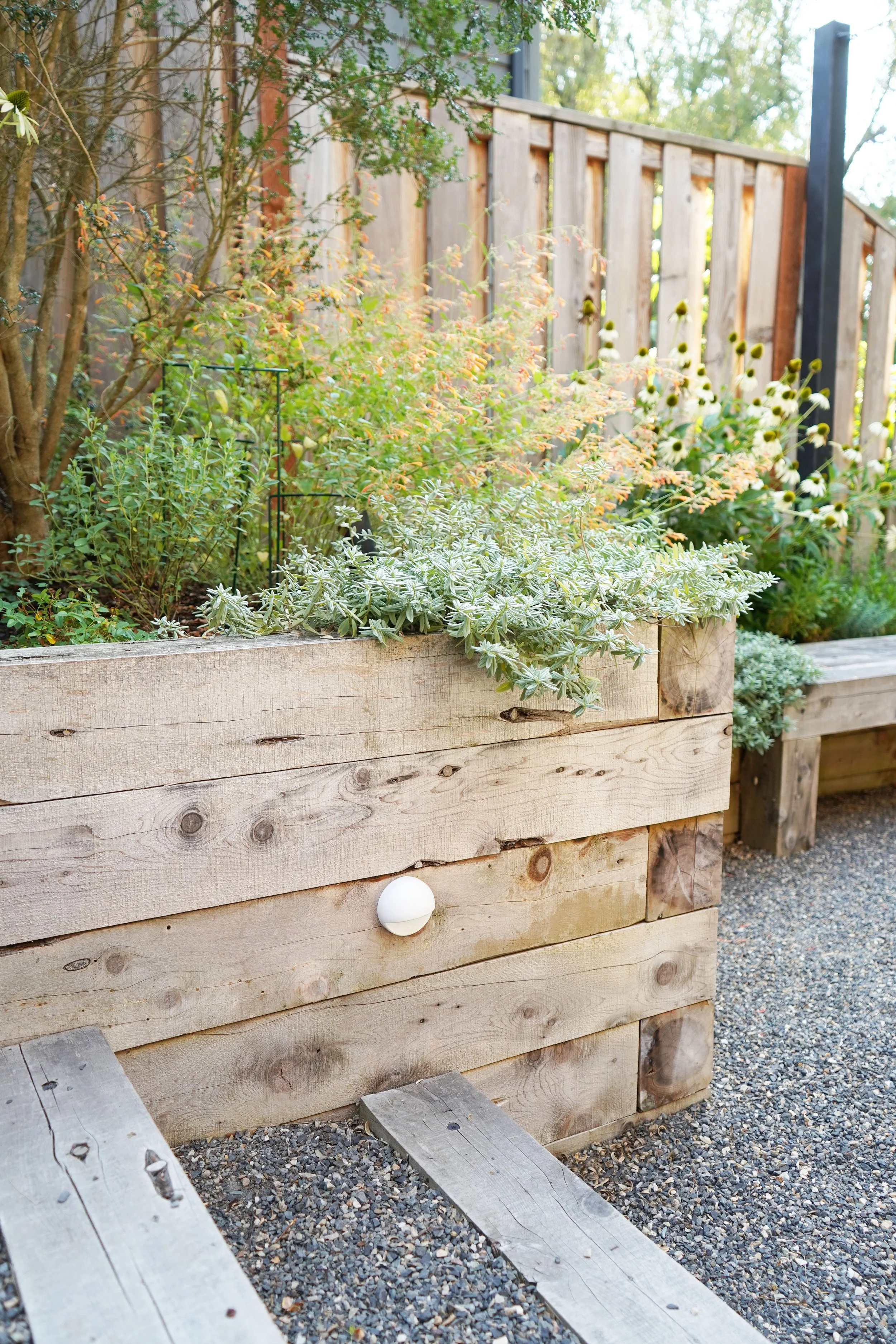
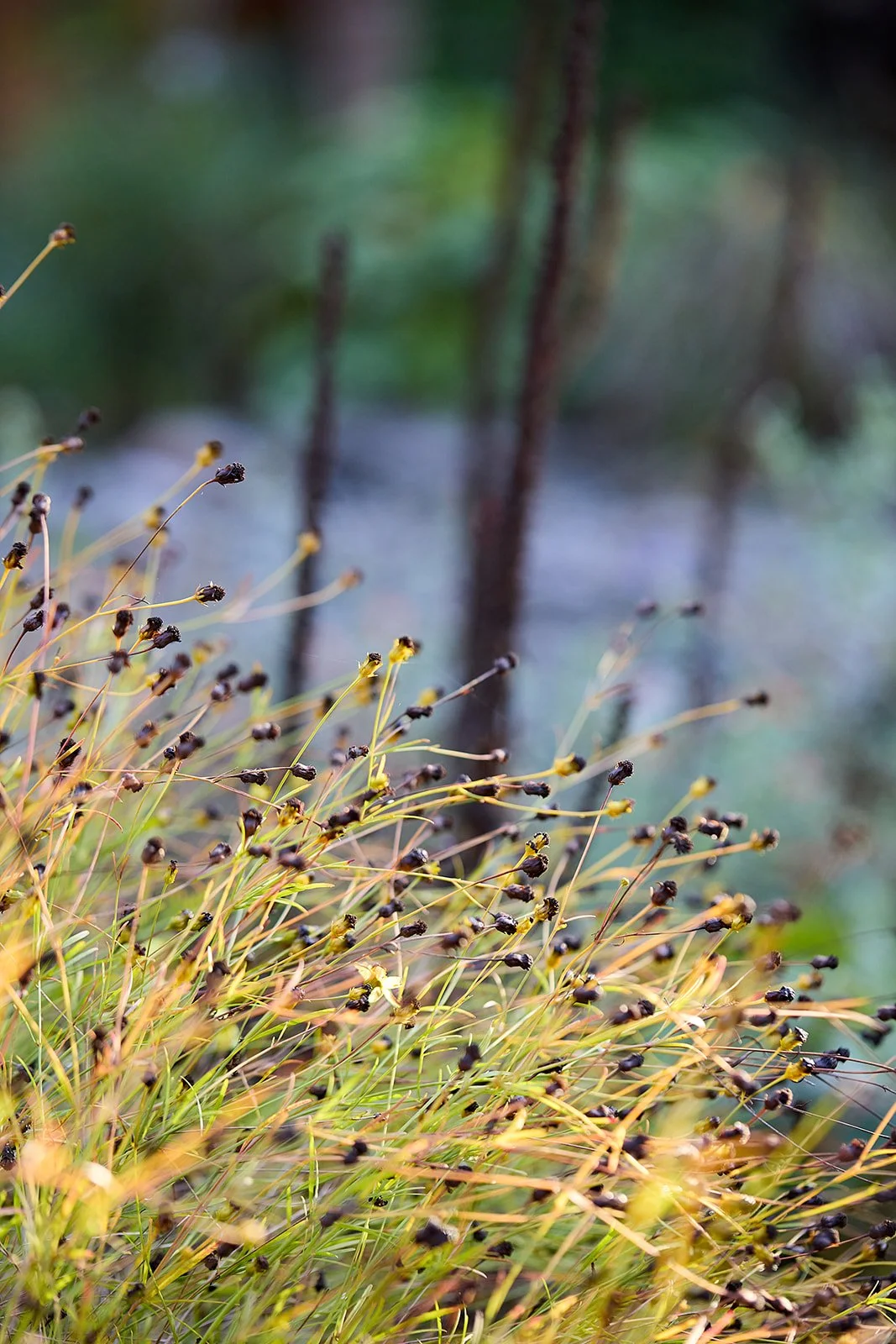
Year 2 garden at a Lake Oswego Project - This garden looks like a Year 3 Garden due to healthy soils, correct plant placements, and proper planning.
The landscape is the most powerful health investment on your property. Not because of any single feature, but because of how a well-designed outdoor space changes the way you live every day. It changes whether you go outside in the morning. Whether you have a place to decompress at the end of the day. Whether your body gets the soil contact, the natural light, the sensory engagement, and the physical movement that the research says it needs.
We plant the water first. We read the soil. We select materials that belong to this place and age with it. We design and build as one team so the vision and the execution are never in tension. And we think in decades, not seasons.
The Longevity Landscape isn't a trend. It's what regenerative design has always been: building spaces that get better over time, for the people who live in them and the ecosystem that surrounds them.
We broke down the full methodology, materials specs, and site planning process in The Regen Series. Start with Materials That Matter, then follow us into The Sauna Project. The complete guides live on be.land.
FAQ
-
A: A longevity landscape is an outdoor space designed specifically to support physical and mental health over time. It incorporates evidence-based principles including healthy soil biology, zone-based sun and shade access for circadian rhythm support, native plant communities for sensory engagement, and wellness features like saunas and cold plunges integrated into a functioning ecological system rather than installed as standalone products.
-
A: Yes. A 2026 systematic review in Frontiers in Psychology found that nature exposure reduced heart rate by an average of 4 beats per minute and produced measurable reductions in anxiety and depression. A 2026 framework published in PLOS Global Public Health formalized nature prescriptions as a legitimate clinical tool across eight countries. The research is no longer correlational. We have mechanisms.
-
A: Forest bathing (Shinrin-Yoku) is the practice of spending time immersed in a natural environment. A 2026 systematic review and meta-analysis in Frontiers in Psychology analyzed 11 studies and found measurable reductions in heart rate, tension, anxiety, and depression following forest bathing sessions. Your nervous system responds to natural environments by shifting from a defensive to a restorative state.
-
A: The most common failures are drainage and site planning problems, not product problems. A sauna that molds is a drainage failure. A wellness zone that goes unused is an orientation and access failure. Success requires designing drainage before pouring the foundation, orienting the sauna toward a view, routing electrical before building the deck, and surrounding the structure with a functional landscape that makes it a daily ritual rather than a seasonal novelty.
-
A: Blueprint Earth specs Western Juniper from Eastern Oregon forests for edging, furniture, and pergola ceilings; locally sourced basalt and Baker Blue Granite for thermal mass and habitat; and ORCA Earthen Pavers for permeable hardscape. Each material is selected for longevity, ecological function, and regional appropriateness rather than appearance at install.
-
A: Zone-based design organizes an outdoor space around how people actually use it across a day, oriented to sun and light. A morning zone faces east and catches early light for circadian rhythm support. An afternoon zone provides shade and movement. An evening zone centers on warmth, fire, and soft light for wind-down. The framework applies to wellness spaces specifically and to full yard design broadly.
-
A: Blueprint Earth is a licensed regenerative design-build landscape firm in Portland, Oregon, founded by Brit Sastrawidjaya. The firm holds Oregon LCB 9941 and specializes in ecological, waterwise, and health-forward landscape design for Pacific Northwest homeowners. Brit holds credentials as a G3 Waterwise Professional, EPA WaterSense Partner, and ISA Certified Arborist, with a BS in Landscape Architecture.
Source Links
Architectural Digest, Longevity Home report (March 2026): https://www.architecturaldigest.com/story/the-longevity-home
Forest bathing and cardiovascular/mental health, Frontiers in Psychology systematic review (2026): https://www.frontiersin.org/journals/psychology/articles/10.3389/fpsyg.2026.1707829/full
Home gardening, soil microbiota, immune function, Discover Public Health (2025): https://link.springer.com/article/10.1186/s12982-025-00987-8
International nature prescriptions framework, PLOS Global Public Health (2026): https://journals.plos.org/globalpublichealth/article?id=10.1371%2Fjournal.pgph.0006361
Lynn Morgan: Local Materials, Lineage & Regenerative Forestry, The Land Language, Season 1 Episode 5 (2025): https://www.landlanguage.org/episodes/episode-5-lynn-morgan