
Your Yard is A health asset
The Research is Unambiguous
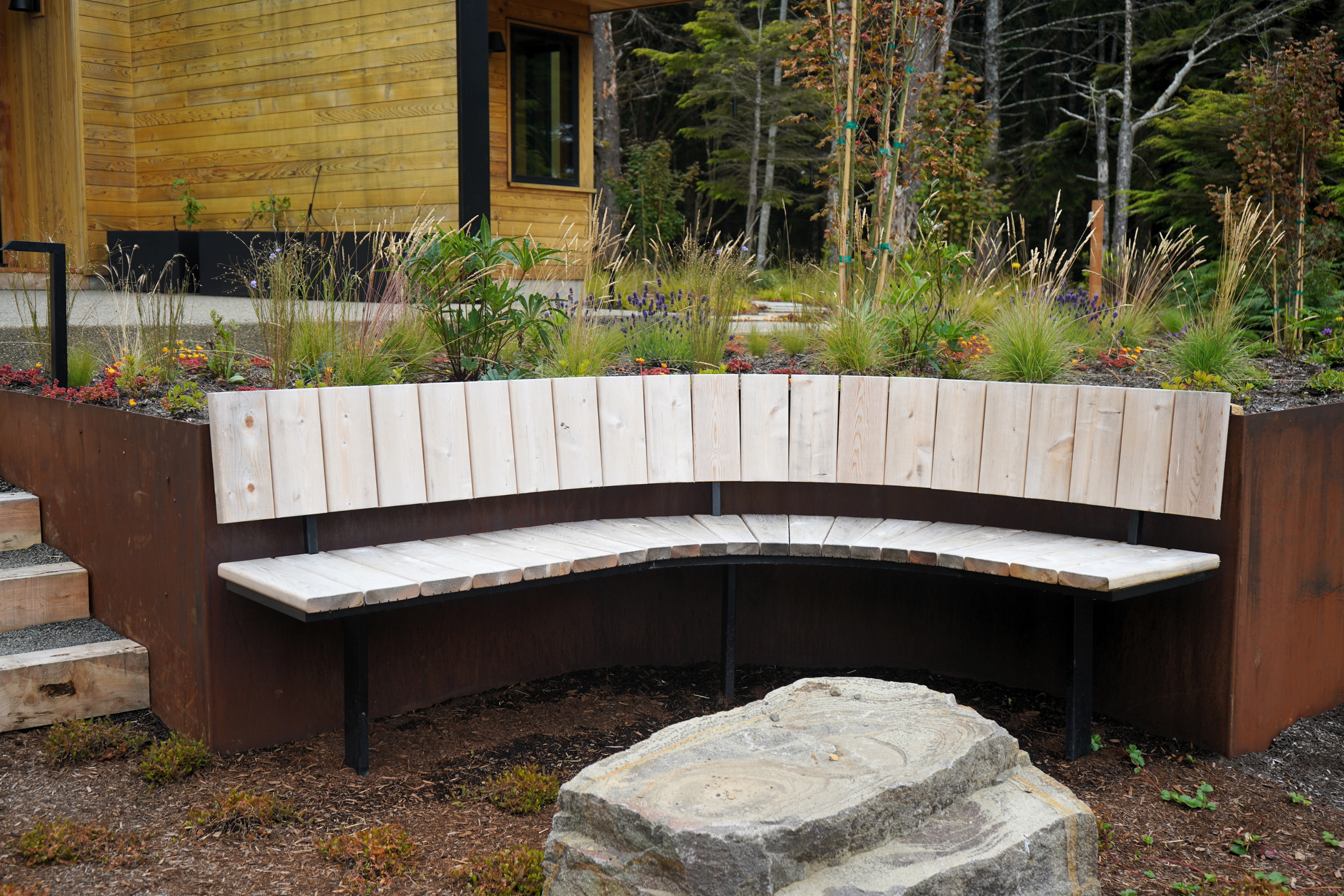
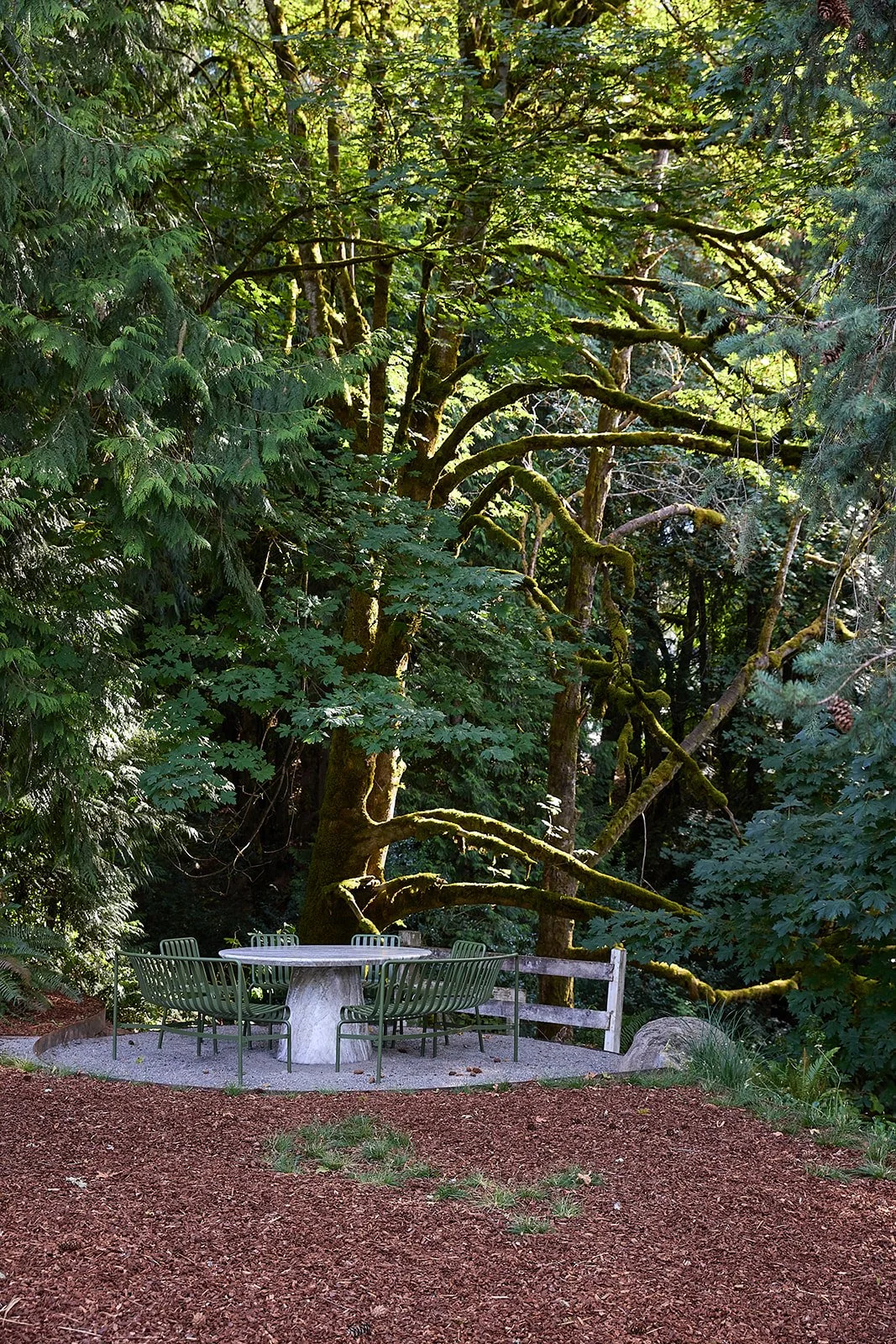
A stunning home in Arch Cape, OR borders the coastline and the forest edge.
We talk a lot about what a landscape does for a property. Drainage. Soil health. Habitat. Long-term maintenance reduction. These are the things we design around, and they're real and measurable.
But there's another layer to this that doesn't get enough attention in the landscape industry, and it's one I find myself thinking about more as we design outdoor spaces for how Portland homeowners actually live in them.
Your yard, when it's designed well, is a health asset. Not in a vague, feel-good sense. In a specific, physiologically documented sense. The research on what happens to your body when you're in contact with healthy soil, when you can see living green things, and when you have access to morning and evening light is substantial. And most of it is less than a decade old.
I want to walk through what we actually know, because I think it changes how you think about what a landscape investment is for, whether you're in Portland, Lake Oswego, Washington state, the Oregon Coast, Hood River, Bend, or anywhere across the Pacific Northwest.
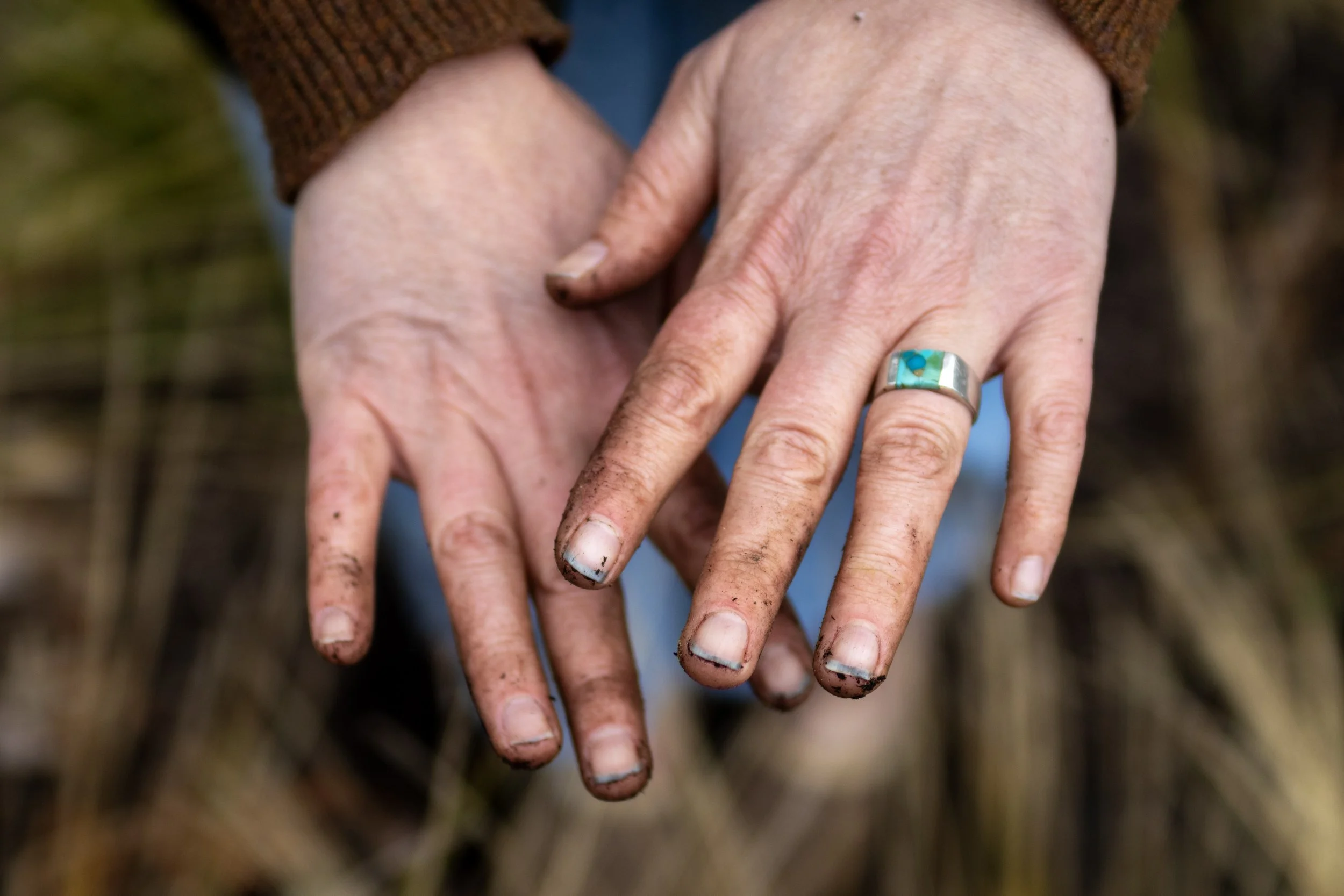
01- Dirt under your nails?
Serotonin production increases. Stress coping improves. Inflammatory markers drop.
-
There's a bacterium in healthy soil called Mycobacterium vaccae. It's been studied extensively at the University of Colorado and published in peer-reviewed journals including Frontiers in Physiology and Nature. The findings are consistent: exposure to this organism triggers measurable changes in brain chemistry. Serotonin production increases. Stress coping improves. Inflammatory markers drop.
Researchers have described it as functioning like a natural antidepressant. One that lives in the ground.
A 2019 human intervention trial published in Science Advances took this further. Researchers manipulated the biodiversity of urban daycare environments and measured what happened to the children's immune systems over 28 days. Children in contact with biodiverse soil and plant material showed measurable increases in regulatory T cells and anti-inflammatory markers in their blood. Their immune systems shifted toward a more regulated, less reactive state. The effect was linked specifically to increases in skin microbiome diversity from environmental contact.
A separate randomized controlled trial found that adults who rubbed their hands in microbially rich soil three times a day for two weeks showed enhanced cell-mediated immune response to a pneumococcal vaccine compared to controls. The soil was priming their immune system before the vaccine arrived.
This is not metaphor. The soil is biologically active. Contact with it changes your body's chemistry in ways that are now measurable and reproducible.
The landscape industry has spent decades treating soil as a substrate. Something to fill in, cover up, or replace with a fresh load of topsoil. We treat it as a system. One that, when healthy, supports the health of everything living in it, including the people who spend time in it.
This is part of why we test and amend existing soil biology instead of scraping and starting over. The microbial community that's already there is doing work you can't see. Destroying it to bring in "clean" topsoil isn't a neutral act. It's a loss.
For Portland homeowners, this matters especially: our Pacific Northwest soils are naturally rich in organic matter and microbial life. A well-designed, ecologically managed yard preserves and builds on that biology rather than stripping it away.

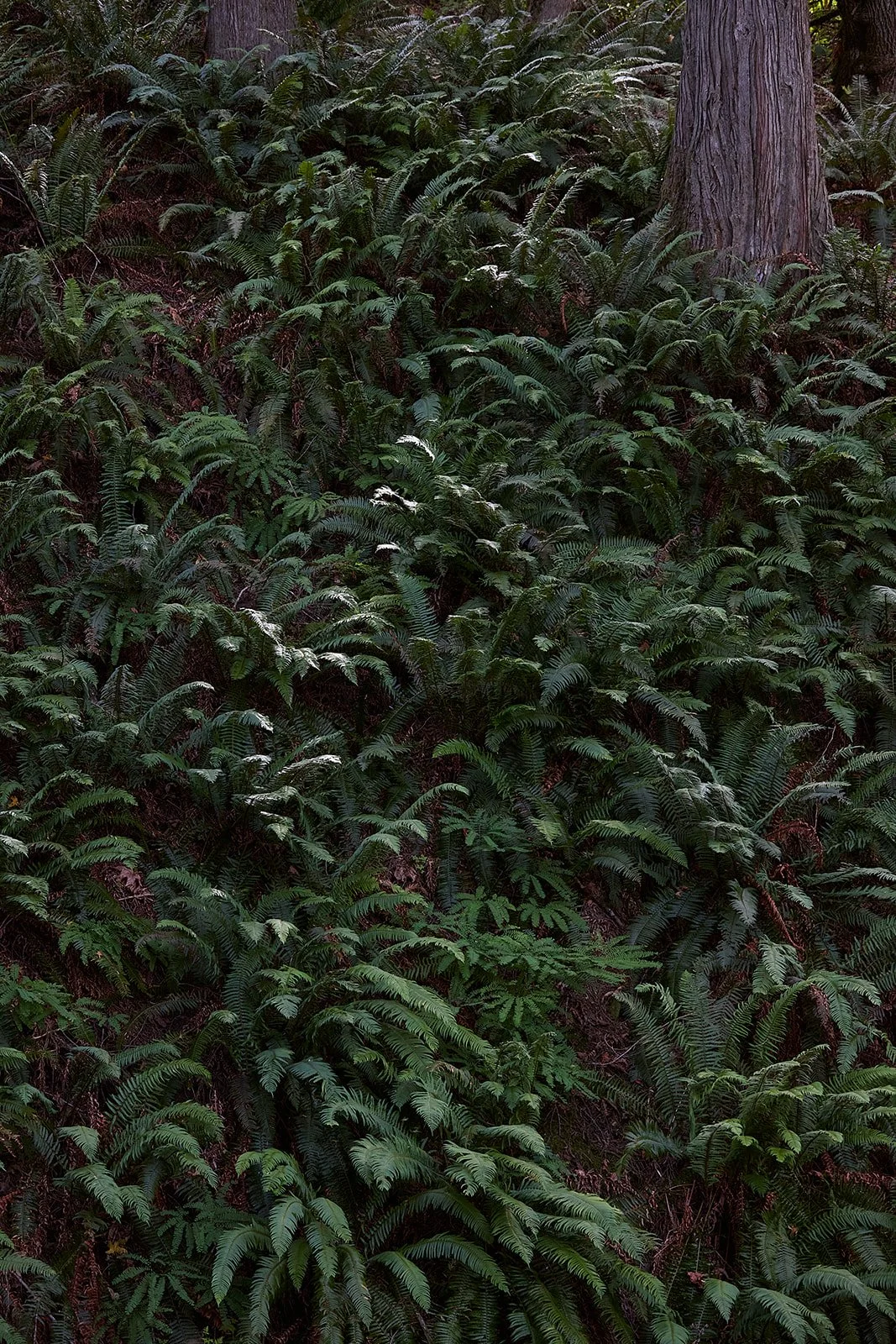
02- Seeing Green?
“The researchers called it a "nature pill." The prescription: at least three times a week, 20 to 30 minutes per session.”
-
A study published in Frontiers in Psychology tracked 36 urban adults over 8 weeks, collecting saliva samples before and after nature experiences. The finding: spending time in a green outdoor space produced a 21.3% per hour additional drop in salivary cortisol beyond the body's normal diurnal decline. The optimal dose was 20 to 30 minutes. After that, benefits continued but at a diminishing rate.
The researchers called it a "nature pill." The prescription: at least three times a week, 20 to 30 minutes per session.
A second-order meta-analysis published in Nature Human Behaviour synthesized 116 systematic reviews representing over 10 million participants. Nature-based interventions reduced anxiety with an effect size of -0.83, depressive symptoms at -0.72, and heart rate at -0.70. The relaxation effect size was 2.85. For context, that's a large effect by any clinical standard. These aren't marginal findings.
A separate meta-analysis of 31 studies with 1,842 participants found that nature exposure reduced systolic blood pressure by an average of 3.82 mmHg and diastolic by 2.21 mmHg. Those are numbers a cardiologist would take seriously.
What I find particularly striking is this: you don't have to be outside for the effect to register. Studies on indoor plants show measurable reductions in diastolic blood pressure just from having plants visible in a room. The visual signal alone is doing something. Your nervous system is responding to the presence of living things even through a window.
This makes evolutionary sense. We spent most of human history embedded in living systems. Our nervous systems developed in relationship with them. The research is showing us that the relationship didn't end when we moved indoors. We still respond to green, to living things, to the visual complexity of a healthy plant community. The question is whether our environments are giving us anything to respond to.
In the Pacific Northwest, we're fortunate to have a climate that supports dense, layered plant communities year-round. A yard full of turf grass and concrete doesn't offer much. A designed plant community with layered canopy, seasonal interest, and ecological function, suited to Portland's wet winters and dry summers, offers a lot. The difference isn't just aesthetic. It's physiological.
03- The Sun
For Portland residents, this is particularly relevant.
-
A study published in The Lancet (see also PubMed) measured serotonin turnover in 101 healthy men by sampling blood directly from the internal jugular vein. Brain serotonin production was directly correlated with the duration of bright sunlight that day (r=0.294, p=0.010). It rose rapidly with increased luminosity. It was lowest in winter.
That's the mechanism behind seasonal mood shifts. It's not psychological. It's photochemical. The amount of light you receive directly regulates how much serotonin your brain produces.
For Portland residents, this is particularly relevant. Our gray winters mean fewer hours of usable outdoor light from November through March. A landscape designed to capture and deliver morning and afternoon sun, rather than one that shades it out with poorly placed conifers or overgrown shrubs, is doing real neurological work during the months you need it most.
Sunlight also regulates your circadian clock through a separate pathway. Morning light before 10am is the most potent signal your body receives for setting sleep timing. A 2025 study published in BMC Public Health found that every 30 minutes of morning sun exposure was associated with a 23-minute earlier sleep midpoint and measurably better sleep quality scores. Evening light after 3pm also helped, though less dramatically.
Beyond serotonin and sleep, UV exposure triggers nitric oxide release from the skin, which relaxes blood vessels and lowers blood pressure. Large cohort studies have found significant inverse relationships between UV exposure and all-cause mortality, cardiovascular disease, and cancer, even after adjusting for confounders. A 2025 expert review published in Photochemical and Photobiological Sciences concluded that the evidence for non-vitamin D benefits of sunlight is substantial and underweighted in public health guidance.
The sun is not just pleasant. It's doing biological work. And the timing of when you receive it matters.
This is something we think about explicitly in design. A landscape that gives you access to morning sun, afternoon shade, and evening light isn't just comfortable. It's designed around how your body actually functions across a day. We call it zone-based design: a morning spot, an afternoon spot, an evening spot. The goal is to design for how you live in the space, not just how it photographs on a Tuesday in May.
For a Portland yard, that often means orienting a morning seating area toward the east, protecting an afternoon zone from the western summer glare, and leaving evening sightlines open to the sky.
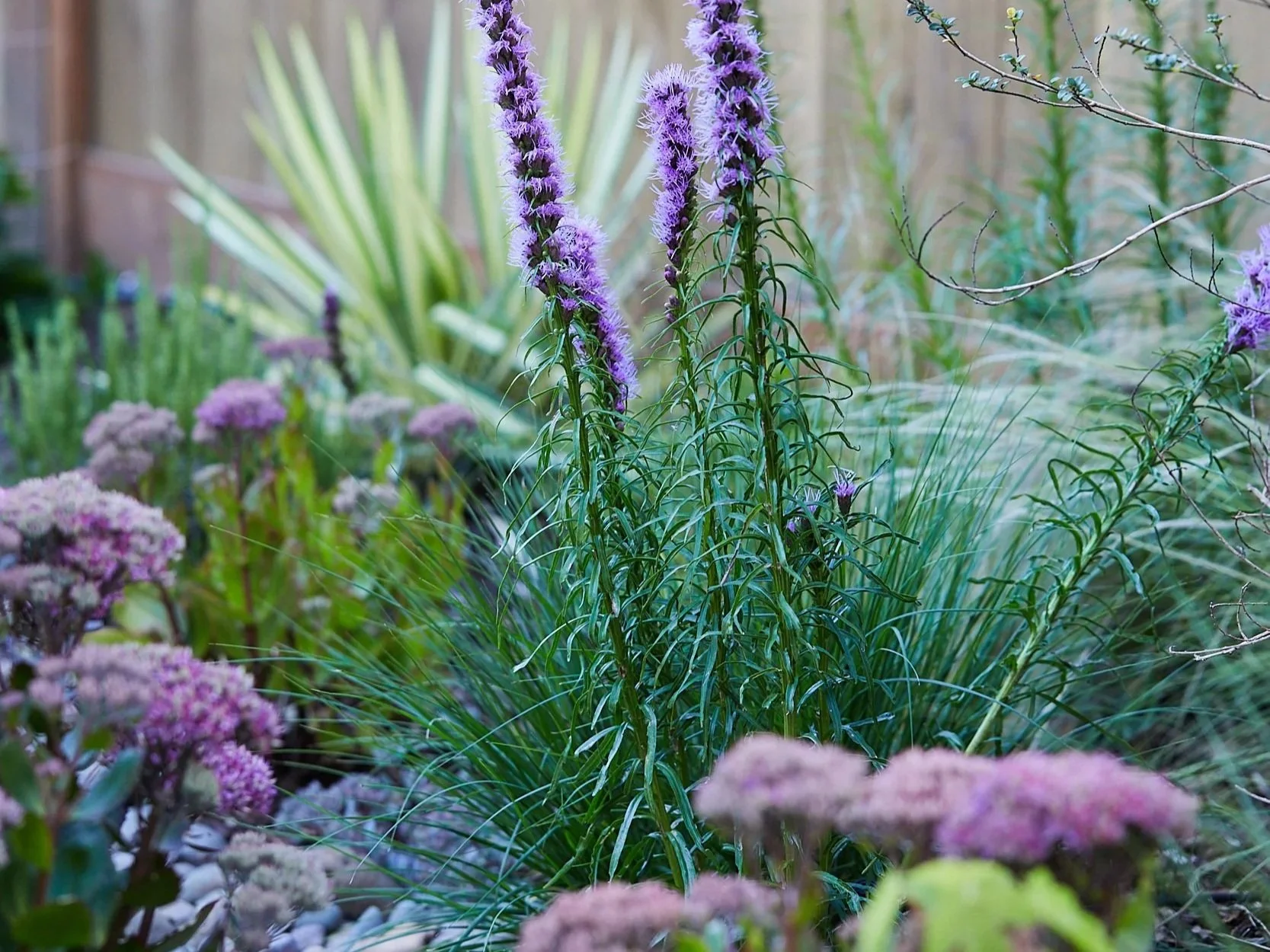
What does this mean for how we design?
a landscape that functions ecologically is also a landscape that functions for the people in it.
None of this is new to the ecological design world. The connection between human health and contact with living systems has been building in the research literature for years. What's new is the specificity. We now have mechanisms, not just correlations. We know which bacteria, which immune markers, which neurotransmitters, which blood pressure readings. The case is no longer circumstantial.
For us, it reinforces something we already believed: a landscape that functions ecologically is also a landscape that functions for the people in it. Healthy soil biology, a diverse plant community, access to light and shade at the right times of day, spaces that invite you to be outside and in contact with living things. These aren't luxury features. They're the design brief.
The conventional landscape model optimizes for appearance at install. Turf that looks green, hardscape that looks clean, plants that look finished. It doesn't optimize for what the space does to you over time, because that's harder to photograph and harder to sell.
We optimize for function over decades. That includes ecological function, hydrological function, and, increasingly, the kind of function that shows up in your cortisol levels and your sleep quality and your immune system's ability to regulate itself.
Your yard can be doing that work. Most yards aren't. The difference is in how they're designed and what's living in the soil beneath them.
If you're a Portland or Pacific Northwest homeowner thinking about what your outdoor space could be doing for you, that's exactly the kind of conversation we have in a garden chat.

a native mallow plant in bloom
A Note on Sources
The research cited in this post includes peer-reviewed studies published in Science Advances, Frontiers in Psychology, Nature Human Behaviour, The Lancet, BMC Public Health, and Photochemical and Photobiological Sciences. The field of nature-based health research is active and growing. We'll continue to follow it and share what we find.
If you want to go deeper on how we apply this thinking to site design, the full methodology is at be.land. And if you're evaluating whether your property could be doing more for you, that's exactly the kind of conversation we have in a garden chat.
Brit Sastrawidjaya is the founder of Blueprint Earth, a licensed design-build landscape firm in Portland, Oregon. She holds credentials as a G3 Waterwise Professional, EPA WaterSense Partner, and ISA Certified Arborist, and holds a BS in Landscape Architecture. Blueprint Earth holds Oregon LCB 9941.
we plant the water first
|
we plant the water first |
FAQ
-
A: Yes. Research published in Frontiers in Psychology found that 20 to 30 minutes in a natural outdoor space produces a 21.3% per-hour additional drop in salivary cortisol beyond the body's normal decline.
-
A: Mycobacterium vaccae is a soil bacterium studied at the University of Colorado. Exposure to it triggers increased serotonin production and improved stress coping, functioning similarly to a natural antidepressant.
-
A: Yes. A 2025 study in BMC Public Health found that every 30 minutes of morning sunlight exposure was associated with a 23-minute earlier sleep midpoint and better overall sleep quality. Zone-based landscape design can optimize your access to morning and evening light.
-
A: Research supports this. A randomized controlled trial published in Scientific Reports found that participants who contacted microbially rich soil for two weeks showed enhanced immune response to a pneumococcal vaccine compared to controls.
-
A: Blueprint Earth is a licensed design-build landscape firm in Portland, Oregon, founded by Brit Sastrawidjaya. The firm holds Oregon LCB 9941 and specializes in ecological, waterwise, and health-forward landscape design for Pacific Northwest homeowners.
Source Links
Mycobacterium vaccae, serotonin and stress coping, Frontiers in Physiology (Lowry Lab, University of Colorado): https://www.frontiersin.org/articles/10.3389/fphys.2020.524833/full
Daycare biodiversity intervention, children's immune markers, Science Advances (2019): https://www.science.org/doi/10.1126/sciadv.aba2578
Soil contact and pneumococcal vaccine response, randomized controlled trial, Scientific Reports (2024): https://www.nature.com/articles/s41598-024-68235-8
"Nature pill" cortisol study, Frontiers in Psychology (Hunter et al., 2019): https://www.frontiersin.org/journals/psychology/articles/10.3389/fpsyg.2019.00722/full
Second-order meta-analysis, 116 reviews, nature-based interventions, Nature Human Behaviour: https://www.nature.com/articles/s41562-026-02433-4
Nature prescriptions and blood pressure meta-analysis, Lancet Planetary Health: https://www.thelancet.com/journals/lanplh/article/piis2542-5196(23)00025-6/fulltext
Sunlight and brain serotonin turnover, The Lancet (Lambert et al., 2002): https://www.thelancet.com/journals/lancet/article/PIIS0140-6736(02)11737-5/abstract
Morning sunlight and sleep quality, BMC Public Health (2025): https://link.springer.com/article/10.1186/s12889-025-24618-8
Non-vitamin D benefits of sunlight, expert review, Photochemical and Photobiological Sciences (2025): https://link.springer.com/article/10.1007/s43630-025-00743-6